Chassis Number CS00159
Specifications:
Chassis: wheelbase 79 inches, track 48 inches front & rear
Weight: 880 lbs
Engine: Fiat 1100 OHV four-cylinder, 1089 cc displacement
Bore 68mm, stroke 75 mm
Carburetion: two 38DCOE Side-draft Webers
Compression ratio 9:1
85 bhp @7000 rpm
Formula Junior was a racing class adopted in 1958 by the FIA. The class was intended to provide an entry-level class where drivers could use inexpensive mechanical components from ordinary automobiles. The idea to form the new class came from Count Giovanni “Johnny” Lurani, who saw the need for a class of single-seater racing cars where younger drivers could take their first steps toward professional racing in a relatively inexpensive venue. The rules required the cars to be powered by production-based engines, and much of the running gear also had to be production-based. Overhead camshafts were not allowed. Limited-slip differentials were also prohibited. The thought was to provide single-seat race cars at an inexpensive price. The cars were limited to 1100 cc engines and 440 kg minimum weight.
Since the formula originated in Italy, the popular Fiat 1100 engine was the obvious choice for the Italian constructors. Victorio Stanguellini had Alberto Massimino design the Formula Junior. Stanguellini then built a series of very successful Formula Junior cars in the tradition of the contemporary front-engined Grand Prix cars. Most of the car’s components were derived from the Fiat 1100. A simple tubular chassis was used, with the cockpit offset to the left and the gearbox and propeller shaft running alongside the driver. Stanguellinis were powered by the Fiat 1098 c.c. engine with two twin choke Weber DCOE carburetors. Power was originally transmitted through a Fiat 4-speed gearbox. Brakes were 9.8-inch Fiat drum brakes, which were inboard at the rear. Suspension was independent at the front with coil springs. At the rear, the car had a live axle with coil springs located with parallel trailing arms. The wheels were the classic 12-inch Borrani wire wheels. The body was fabricated in lightweight aluminum by Carrozzeria Gransport of Modena. This very beautiful aluminum body is ideally proportioned and is somewhat reminiscent of the Vanwall Formula One car and the Maserati 250F.
The Formula Junior category under Formula One existed between 1958 and 1963. Many notable drivers got their starts in Stanguellinis. Drivers included Lorenzo Bandini, Wolfgang von Trips, Ritchie Ginther, and Walt Hansgen.
This 1959 Stanguellini Formula Junior has a build date of December 5, 1959. It was imported by Alfred Momo into the United States, arriving early in 1960. Inasmuch as the front-engined Formula Juniors were essentially obsolete with the introduction of the Cooper rear-engined Type 52 and others, the Stanguellini was sold and raced around the Northeast and Midwest through the 1960s and 1970s. At one time, this particular Stanguellini sold for only $250.
Finally, Stanguellini CS00159 was rescued by vintage racer Peter Giddings in 1977. Peter owned and raced a number of Stanguellini Formula Juniors. After restoration, the car was sold to Dennis Burkey of Virginia, who ran CS00159 in the Mid-Atlantic area into the late 1980s. Pam Lyford brought CS00159 to the Northwest in the early 1990s. The car was then purchased by the current owner in 2005. He went on to campaign the car in vintage races, including the 50th Anniversary of Formula Junior feature at the Monterey Reunion, and most recently at the 2022 Monterey Reunion.
The Stanguelli received a frame-up restoration between 2007 and 2009. A custom steel carrier was installed along with new axles. Carbotech brakes employed for better stopping power. The original instruments were rebuilt, and a new steering wheel was installed. New Borrani 72 spoke rear wheels by Cork Adams at Precision Wire Wheel were installed. The original floorpan, firewall, and seat were also replaced. All of those old original items will come with the car.
The Stanguellini is an excellent candidate for the Goodwood Revival, or to keep in the U.S. and compete in the Formula Junior North America Championship Series. It should be a certain frontrunner in the FJ1 category.
The Stanguellini’s most recent race was the 2022 Monterey Reunion. The car also made appearances at the annual Monterey Car Week Kick Off Car Show in downtown Monterey. Photos of the Stanguellini can be seen by scrolling through the photos in the Monterey Herald link above.
The Stanguellini Formula Junior is currently located on the U.S. West Coast. We can assist with shipping both domestically and worldwide. Just let us know your nearest port or U.S. zip code.
* Completed Pre-Reunion and The Rolex Reunion on a fresh rehab
* Every nut, bolt, and screw is new
* Fresh engine built in Texas
* New fuel cell
* New fire bottle
* New suspension pins - custom-made
* Crack check performed on all major components
* Billet 4140 axles
* New Stanguellini water pump
* All hoses were new
* Removed all the 'modern' items that had been fitted over many years and replaced with 'period correct'
* HP was found to be inadequate at The Rolex
* New camshaft supplied by a UK specialist (Setford) and a newly built cylinder head was fitted
* 12.5:1 compression
* Narrow journal custom rods
* Marine billet crankshaft
* Flow tested cylinder head with Bespoke 6MM valves/guides/retainers
* Track tested November 2025
Chassis Number CS00159
Specifications:
Chassis: wheelbase 79 inches, track 48 inches front & rear
Weight: 880 lbs
Engine: Fiat 1100 OHV four-cylinder, 1089 cc displacement
Bore 68mm, stroke 75 mm
Carburetion: two 38DCOE Side-draft Webers
Compression ratio 9:1
85 bhp @7000 rpm
Formula Junior was a racing class adopted in 1958 by the FIA. The class was intended to provide an entry-level class where drivers could use inexpensive mechanical components from ordinary automobiles. The idea to form the new class came from Count Giovanni “Johnny” Lurani, who saw the need for a class of single-seater racing cars where younger drivers could take their first steps toward professional racing in a relatively inexpensive venue. The rules required the cars to be powered by production-based engines, and much of the running gear also had to be production-based. Overhead camshafts were not allowed. Limited-slip differentials were also prohibited. The thought was to provide single-seat race cars at an inexpensive price. The cars were limited to 1100 cc engines and 440 kg minimum weight.
Since the formula originated in Italy, the popular Fiat 1100 engine was the obvious choice for the Italian constructors. Victorio Stanguellini had Alberto Massimino design the Formula Junior. Stanguellini then built a series of very successful Formula Junior cars in the tradition of the contemporary front-engined Grand Prix cars. Most of the car’s components were derived from the Fiat 1100. A simple tubular chassis was used, with the cockpit offset to the left and the gearbox and propeller shaft running alongside the driver. Stanguellinis were powered by the Fiat 1098 c.c. engine with two twin choke Weber DCOE carburetors. Power was originally transmitted through a Fiat 4-speed gearbox. Brakes were 9.8-inch Fiat drum brakes, which were inboard at the rear. Suspension was independent at the front with coil springs. At the rear, the car had a live axle with coil springs located with parallel trailing arms. The wheels were the classic 12-inch Borrani wire wheels. The body was fabricated in lightweight aluminum by Carrozzeria Gransport of Modena. This very beautiful aluminum body is ideally proportioned and is somewhat reminiscent of the Vanwall Formula One car and the Maserati 250F.
The Formula Junior category under Formula One existed between 1958 and 1963. Many notable drivers got their starts in Stanguellinis. Drivers included Lorenzo Bandini, Wolfgang von Trips, Ritchie Ginther, and Walt Hansgen.
This 1959 Stanguellini Formula Junior has a build date of December 5, 1959. It was imported by Alfred Momo into the United States, arriving early in 1960. Inasmuch as the front-engined Formula Juniors were essentially obsolete with the introduction of the Cooper rear-engined Type 52 and others, the Stanguellini was sold and raced around the Northeast and Midwest through the 1960s and 1970s. At one time, this particular Stanguellini sold for only $250.
Finally, Stanguellini CS00159 was rescued by vintage racer Peter Giddings in 1977. Peter owned and raced a number of Stanguellini Formula Juniors. After restoration, the car was sold to Dennis Burkey of Virginia, who ran CS00159 in the Mid-Atlantic area into the late 1980s. Pam Lyford brought CS00159 to the Northwest in the early 1990s. The car was then purchased by the current owner in 2005. He went on to campaign the car in vintage races, including the 50th Anniversary of Formula Junior feature at the Monterey Reunion, and most recently at the 2022 Monterey Reunion.
The Stanguelli received a frame-up restoration between 2007 and 2009. A custom steel carrier was installed along with new axles. Carbotech brakes employed for better stopping power. The original instruments were rebuilt, and a new steering wheel was installed. New Borrani 72 spoke rear wheels by Cork Adams at Precision Wire Wheel were installed. The original floorpan, firewall, and seat were also replaced. All of those old original items will come with the car.
The Stanguellini is an excellent candidate for the Goodwood Revival, or to keep in the U.S. and compete in the Formula Junior North America Championship Series. It should be a certain frontrunner in the FJ1 category.
The Stanguellini’s most recent race was the 2022 Monterey Reunion. The car also made appearances at the annual Monterey Car Week Kick Off Car Show in downtown Monterey. Photos of the Stanguellini can be seen by scrolling through the photos in the Monterey Herald link above.
The Stanguellini Formula Junior is currently located on the U.S. West Coast. We can assist with shipping both domestically and worldwide. Just let us know your nearest port or U.S. zip code.
* Completed Pre-Reunion and The Rolex Reunion on a fresh rehab
* Every nut, bolt, and screw is new
* Fresh engine built in Texas
* New fuel cell
* New fire bottle
* New suspension pins - custom-made
* Crack check performed on all major components
* Billet 4140 axles
* New Stanguellini water pump
* All hoses were new
* Removed all the 'modern' items that had been fitted over many years and replaced with 'period correct'
* HP was found to be inadequate at The Rolex
* New camshaft supplied by a UK specialist (Setford) and a newly built cylinder head was fitted
* 12.5:1 compression
* Narrow journal custom rods
* Marine billet crankshaft
* Flow tested cylinder head with Bespoke 6MM valves/guides/retainers
* Track tested November 2025

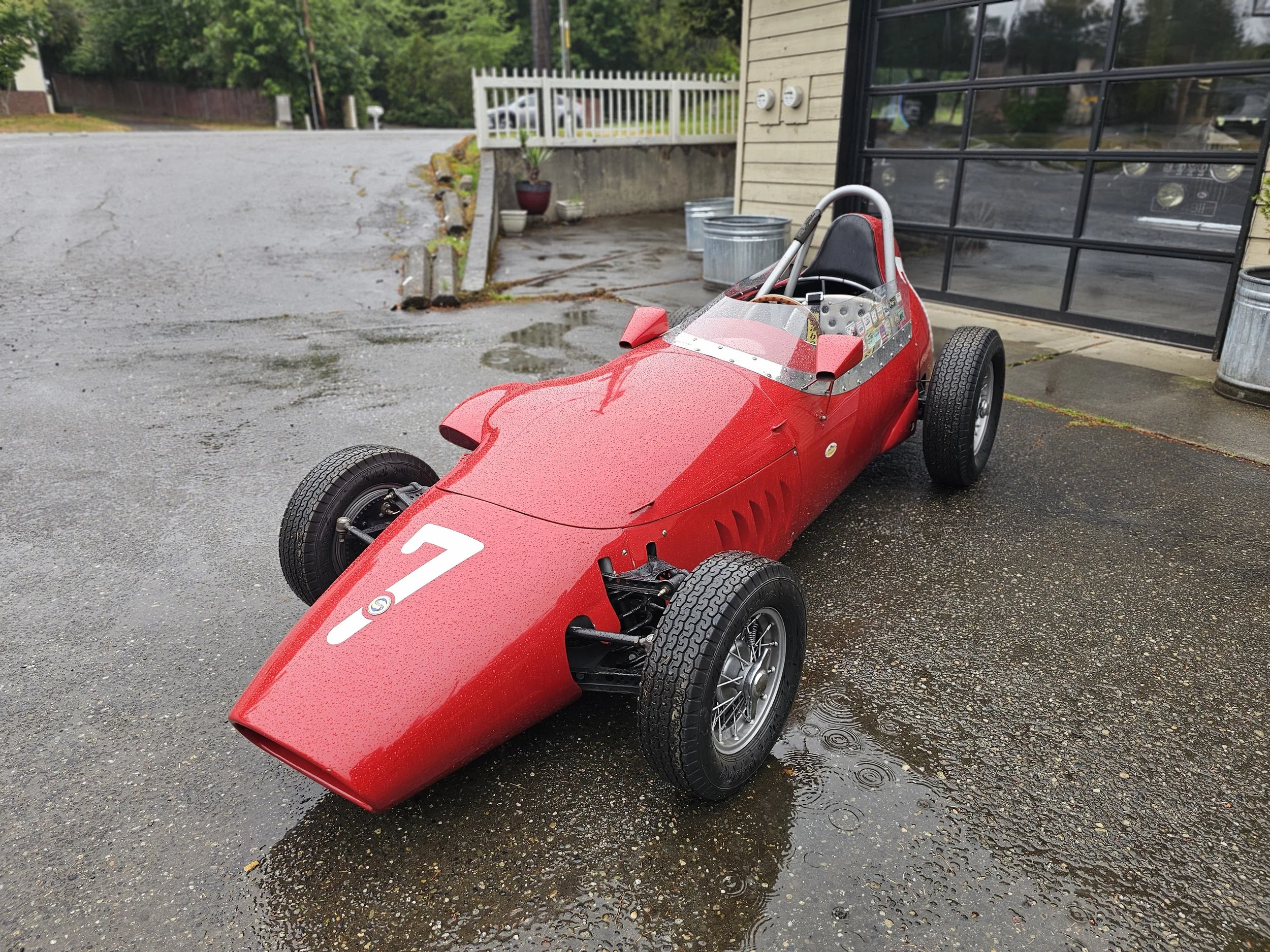 Image 1 of 37
 Image 2 of 37
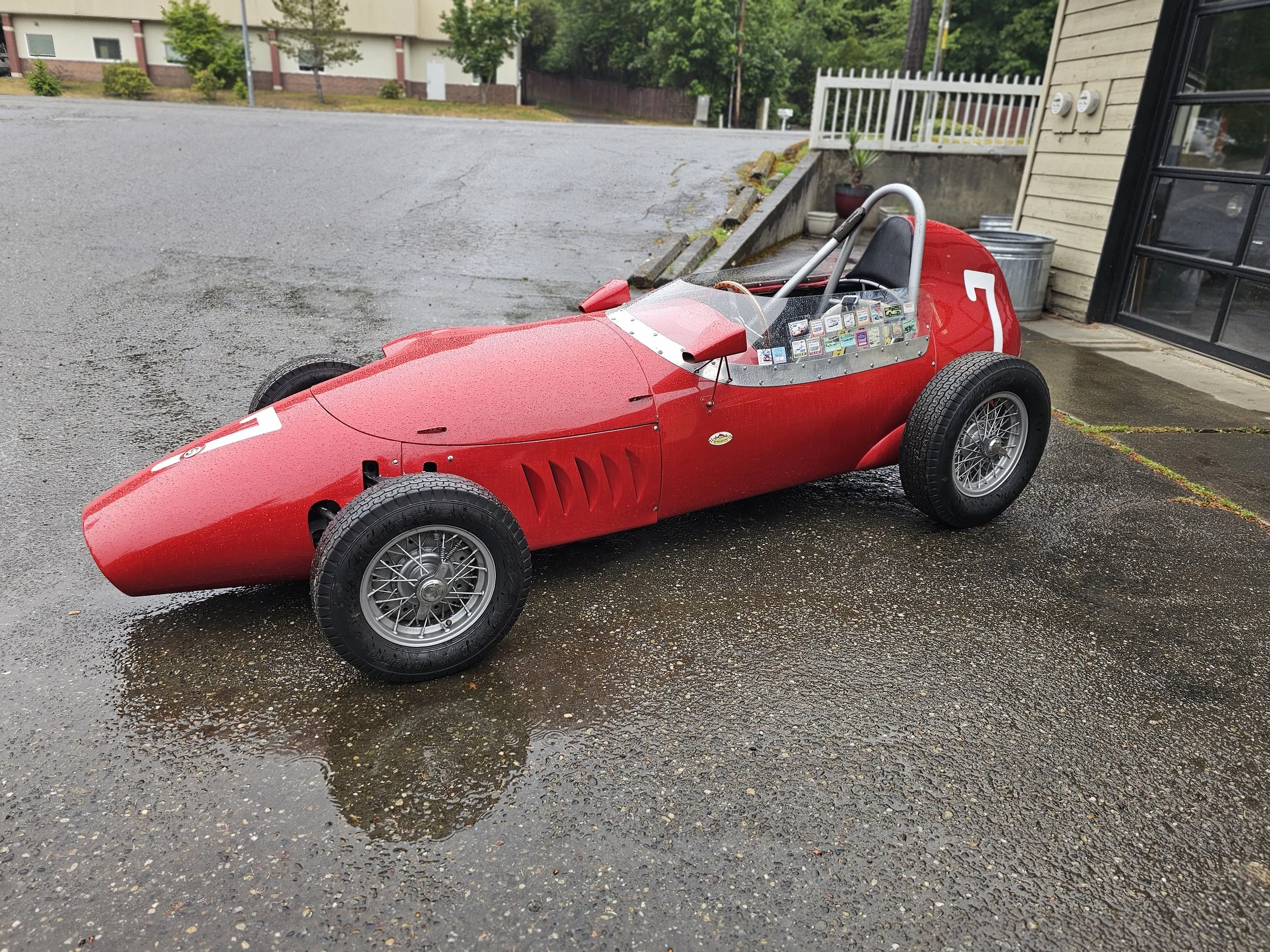 Image 3 of 37
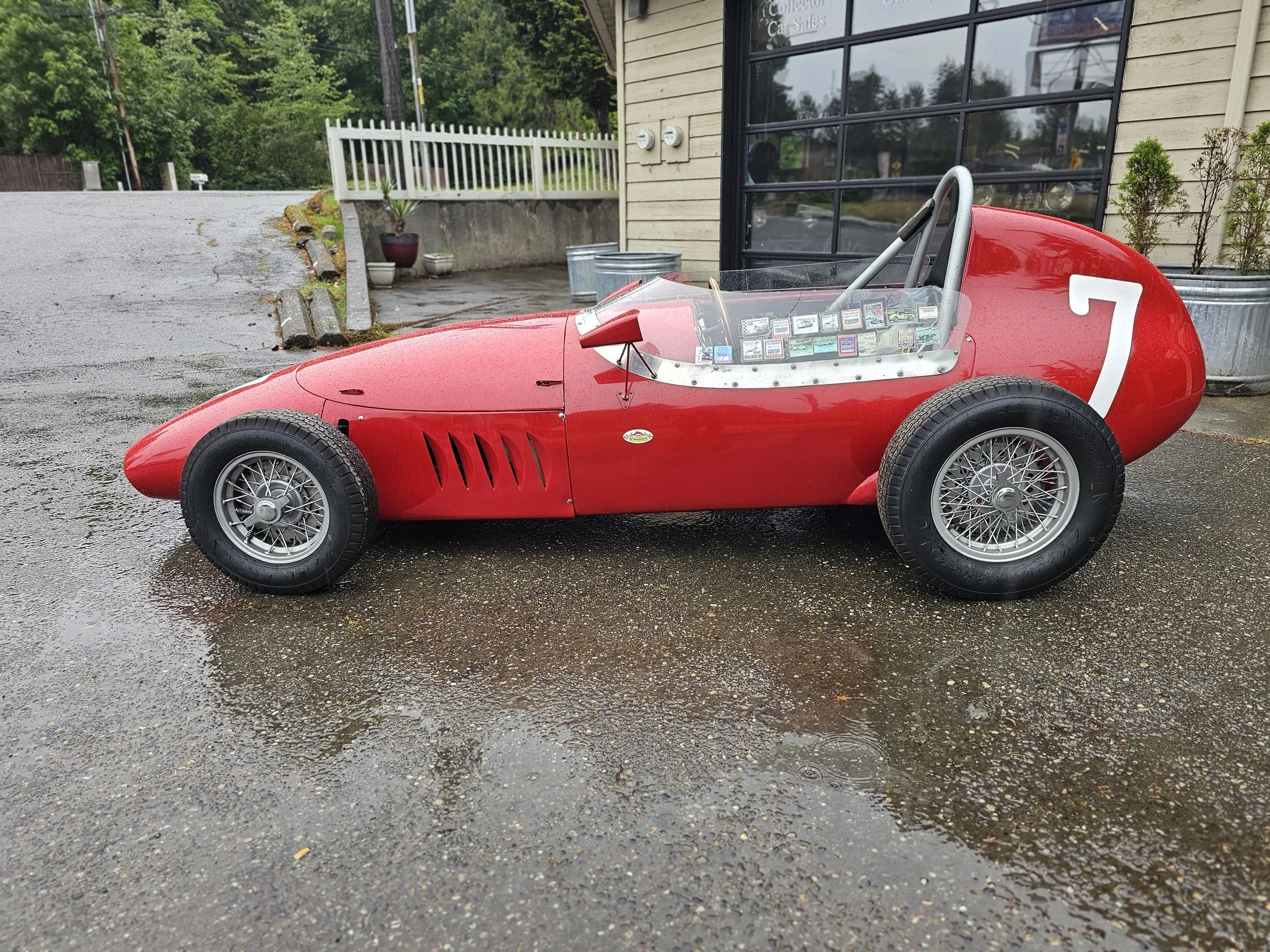 Image 4 of 37
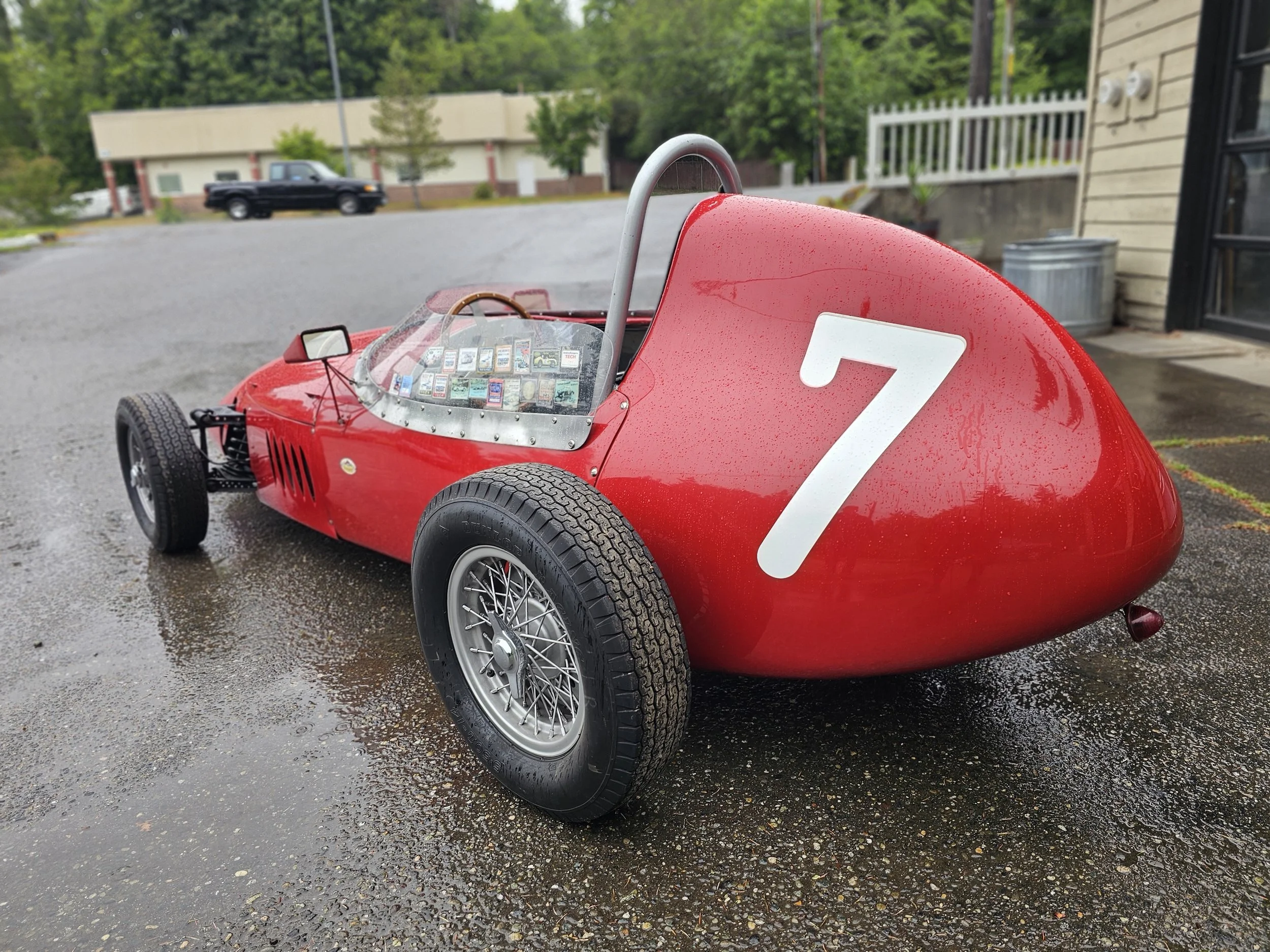 Image 5 of 37
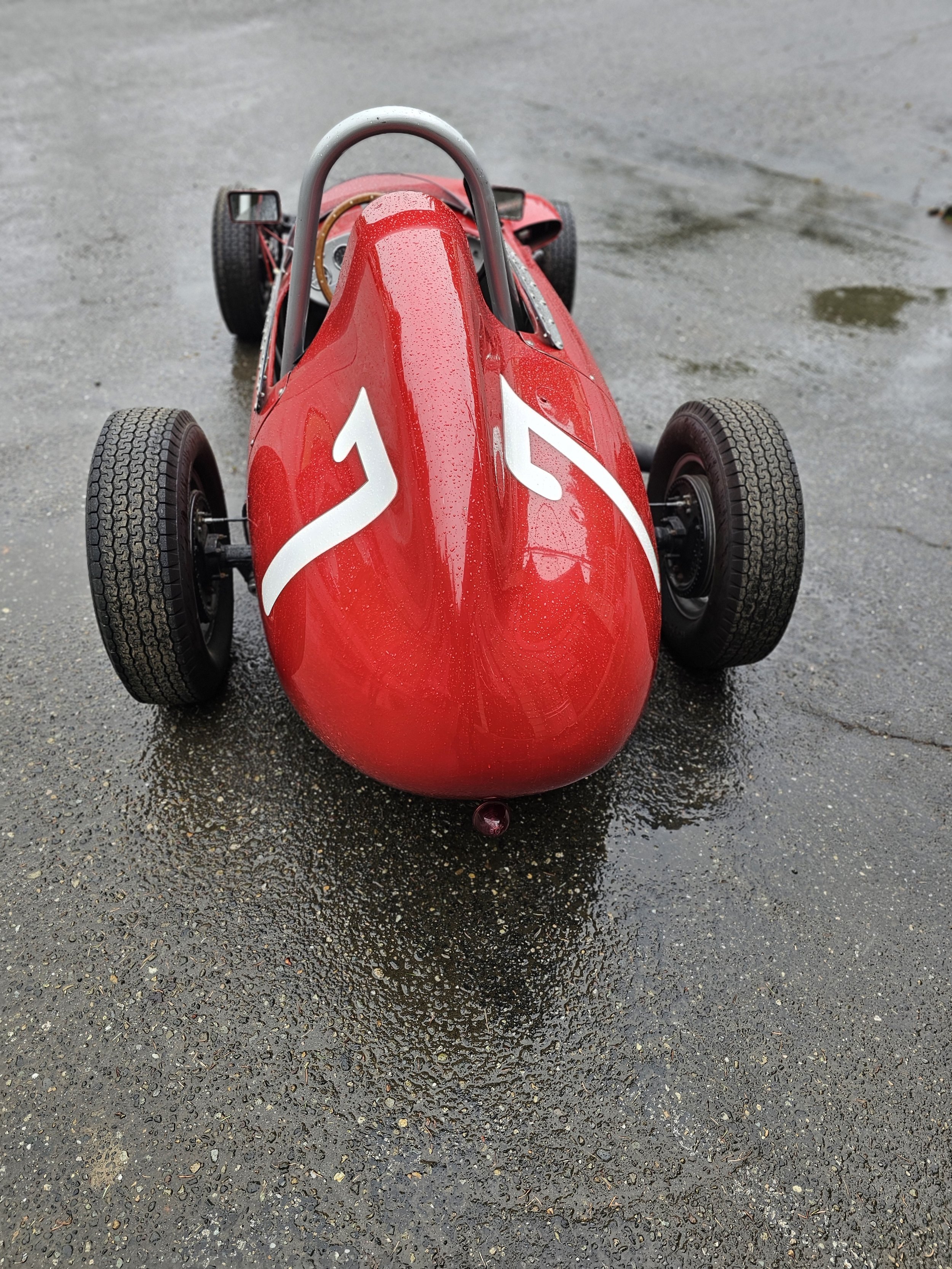 Image 6 of 37
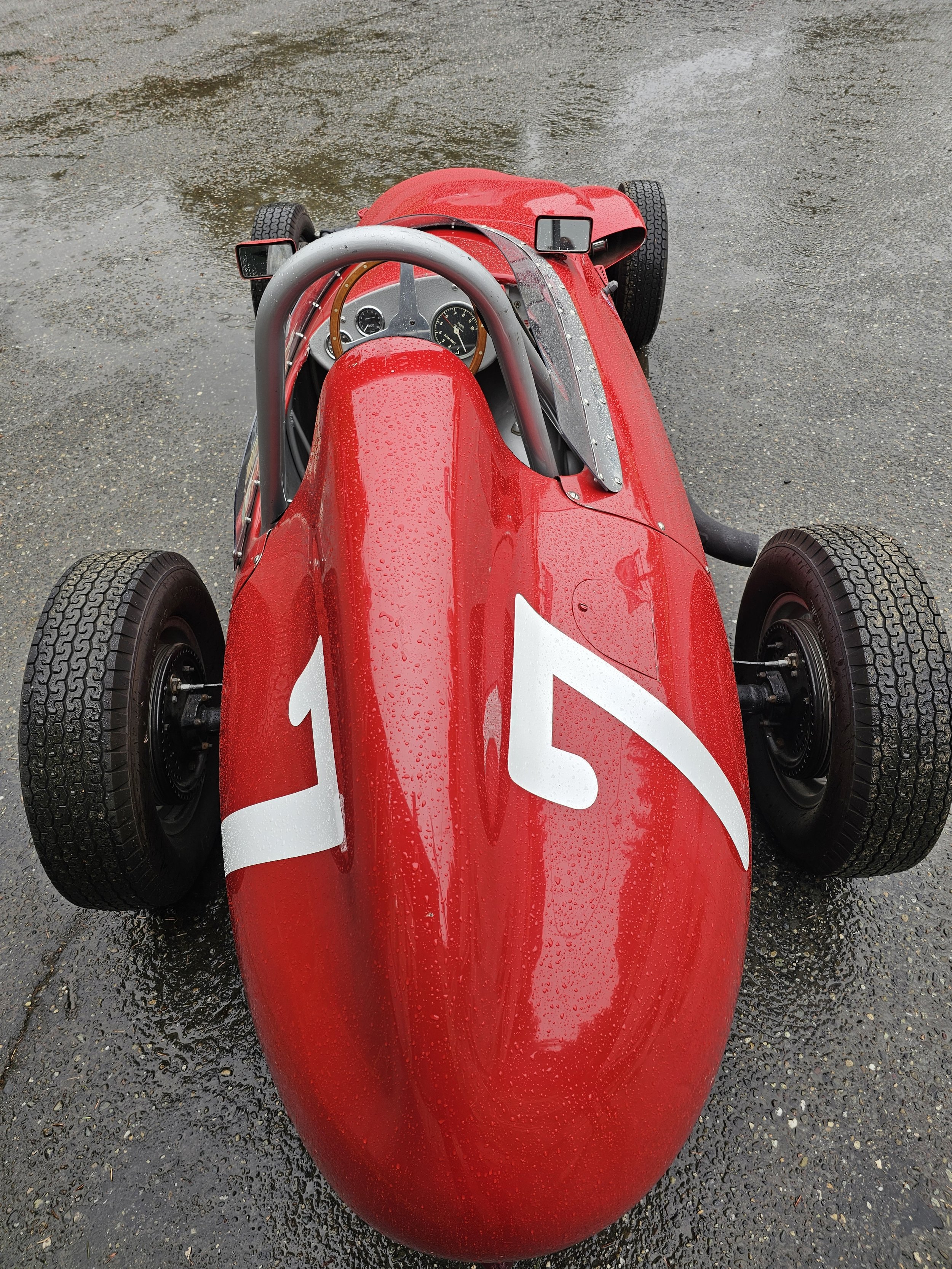 Image 7 of 37
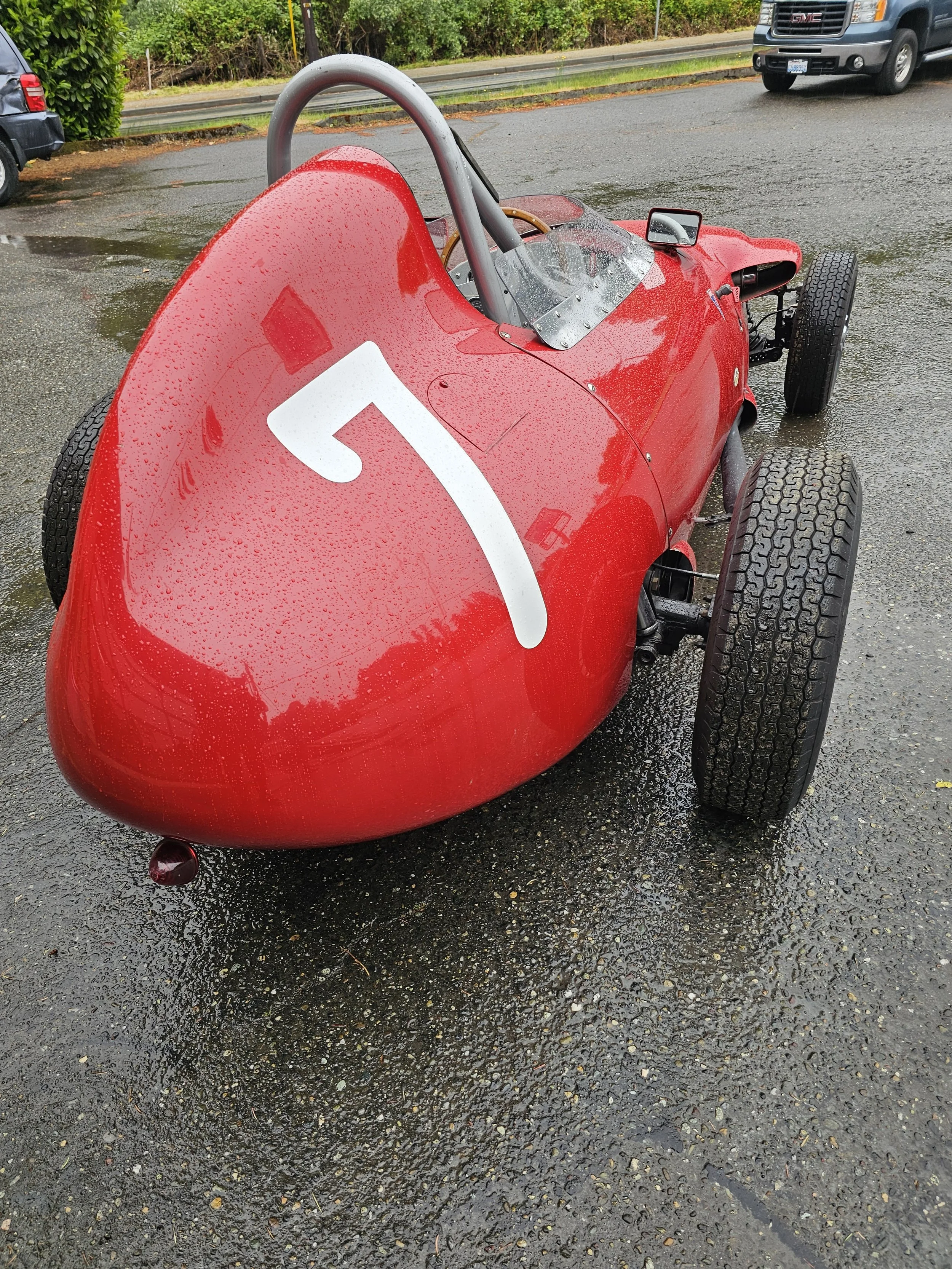 Image 8 of 37
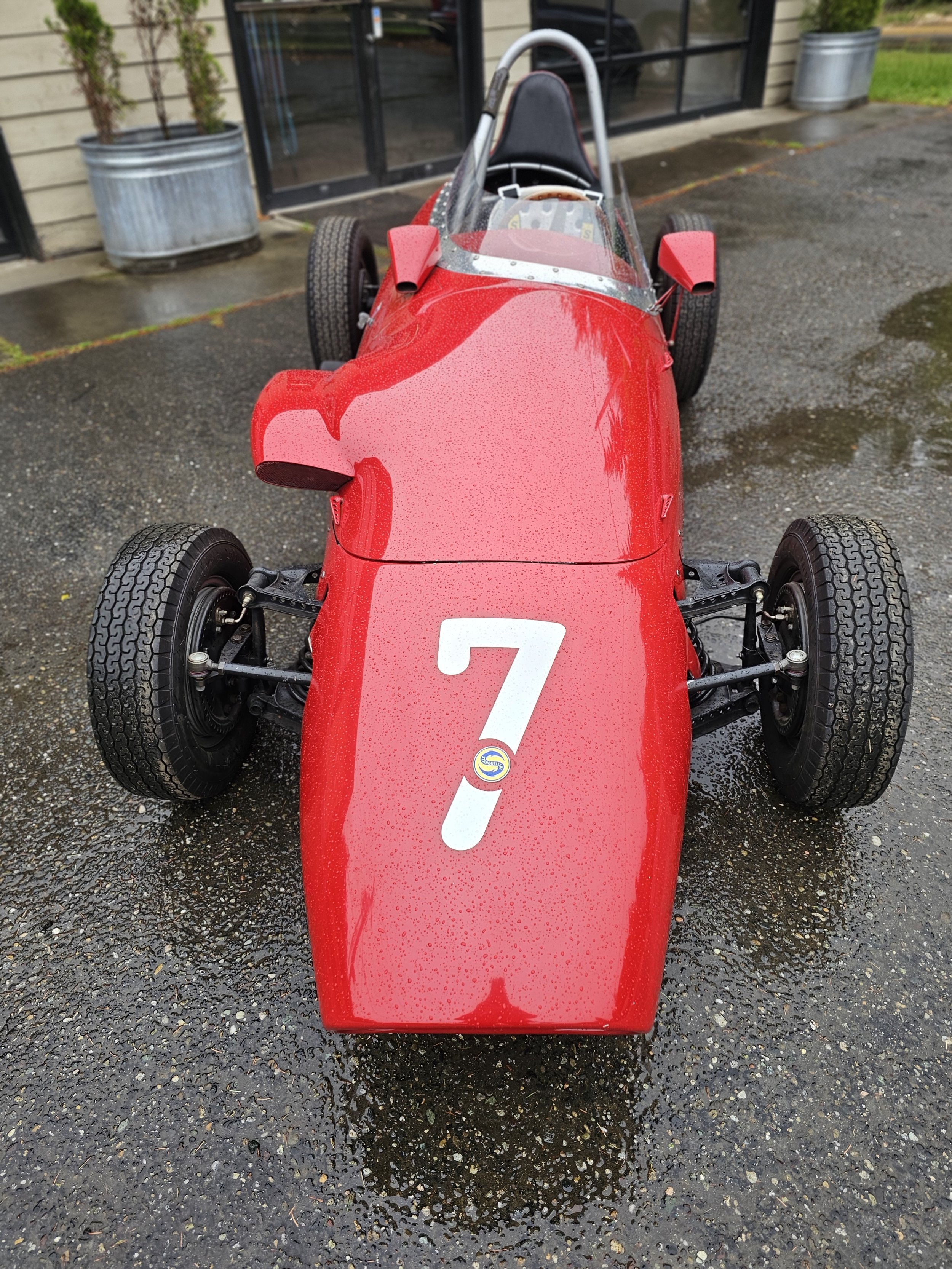 Image 9 of 37
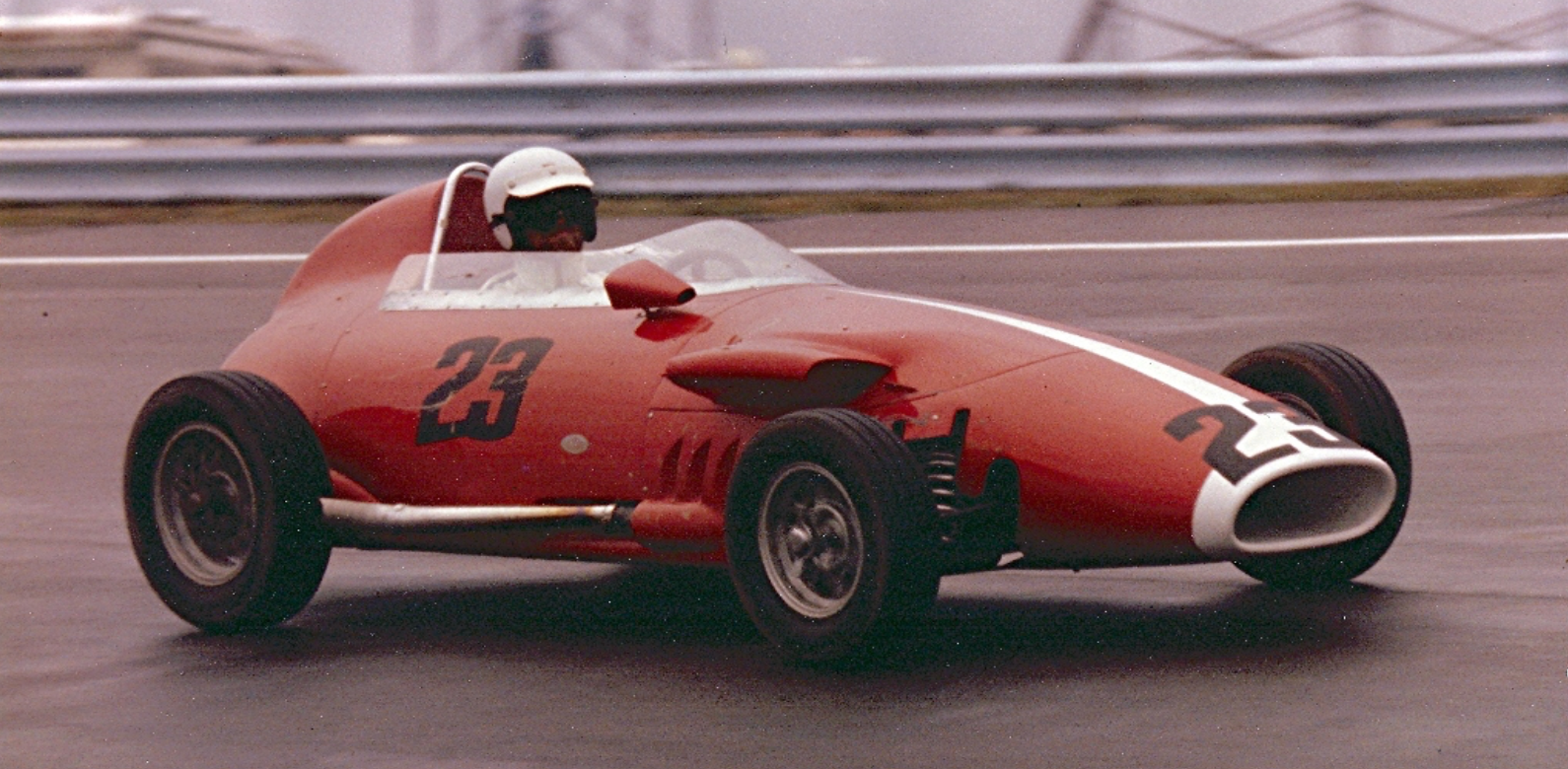 Image 10 of 37
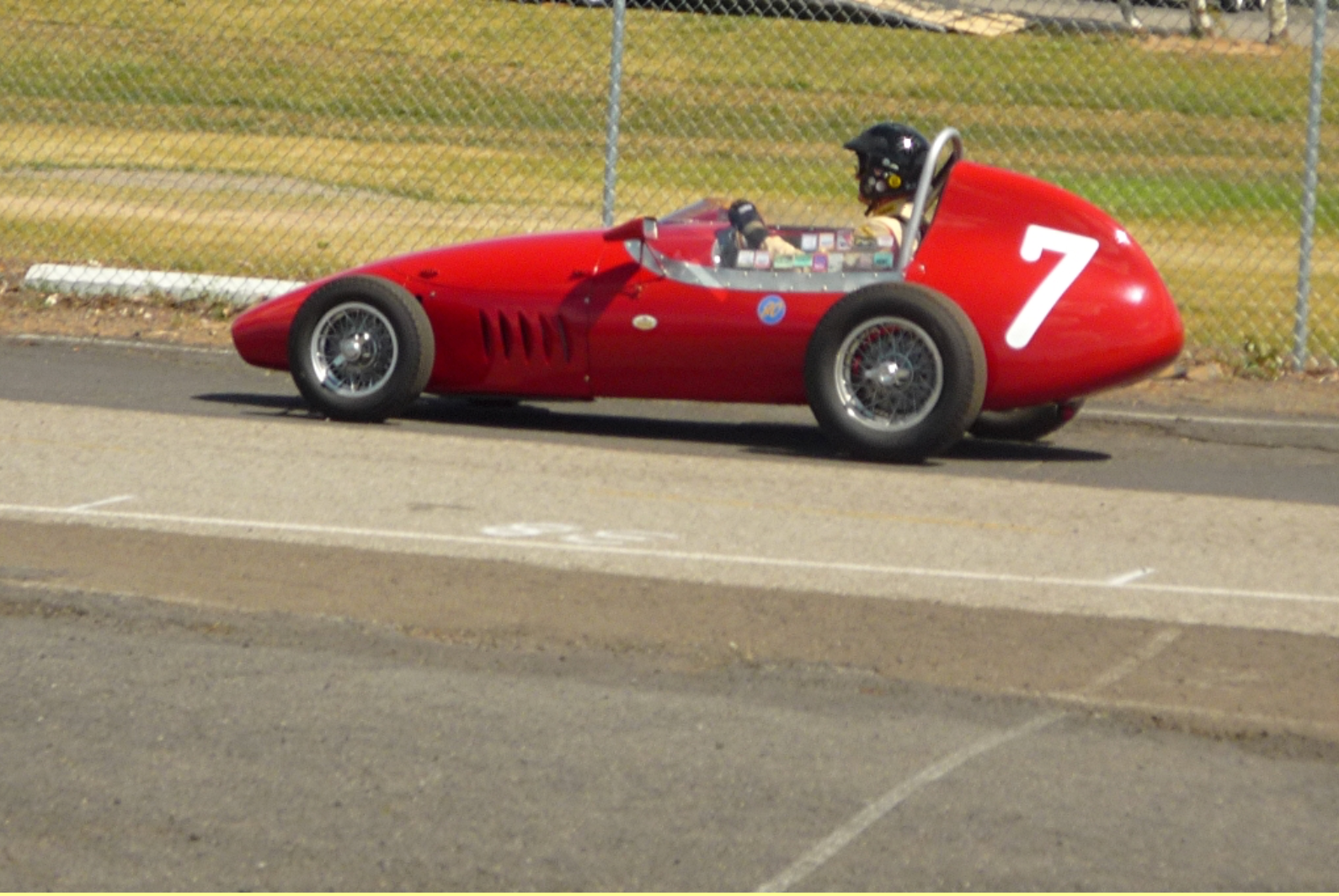 Image 11 of 37
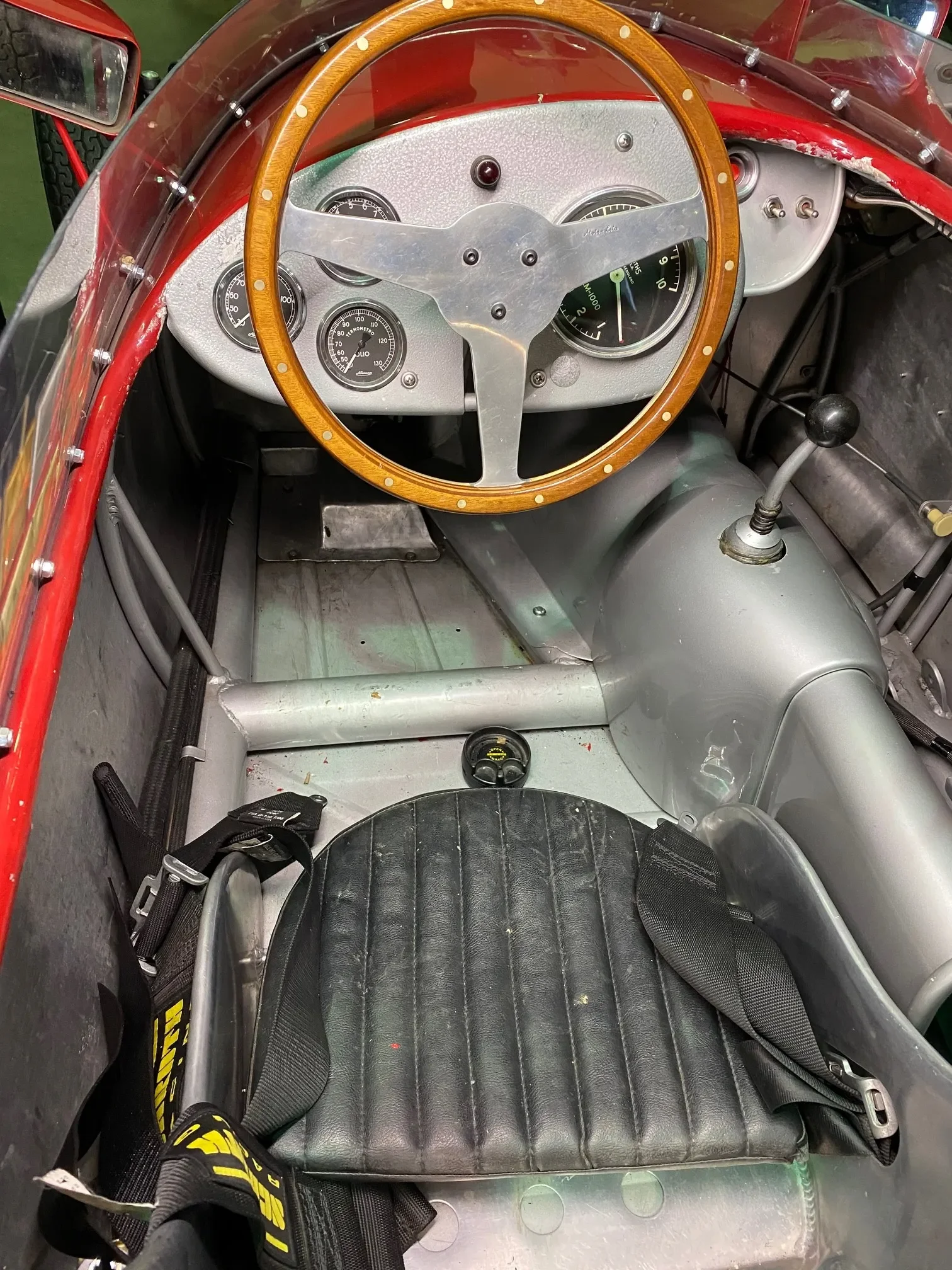 Image 12 of 37
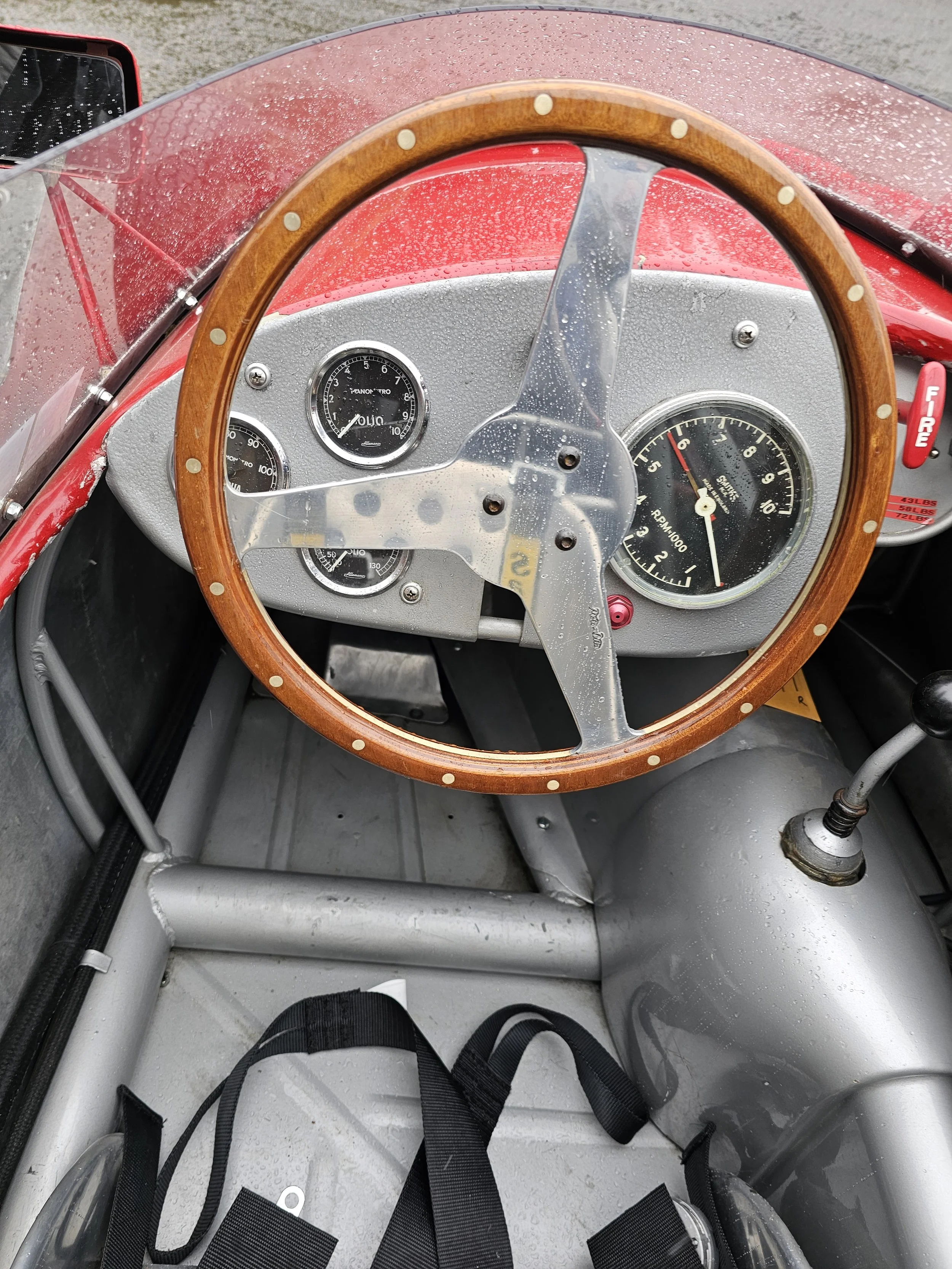 Image 13 of 37
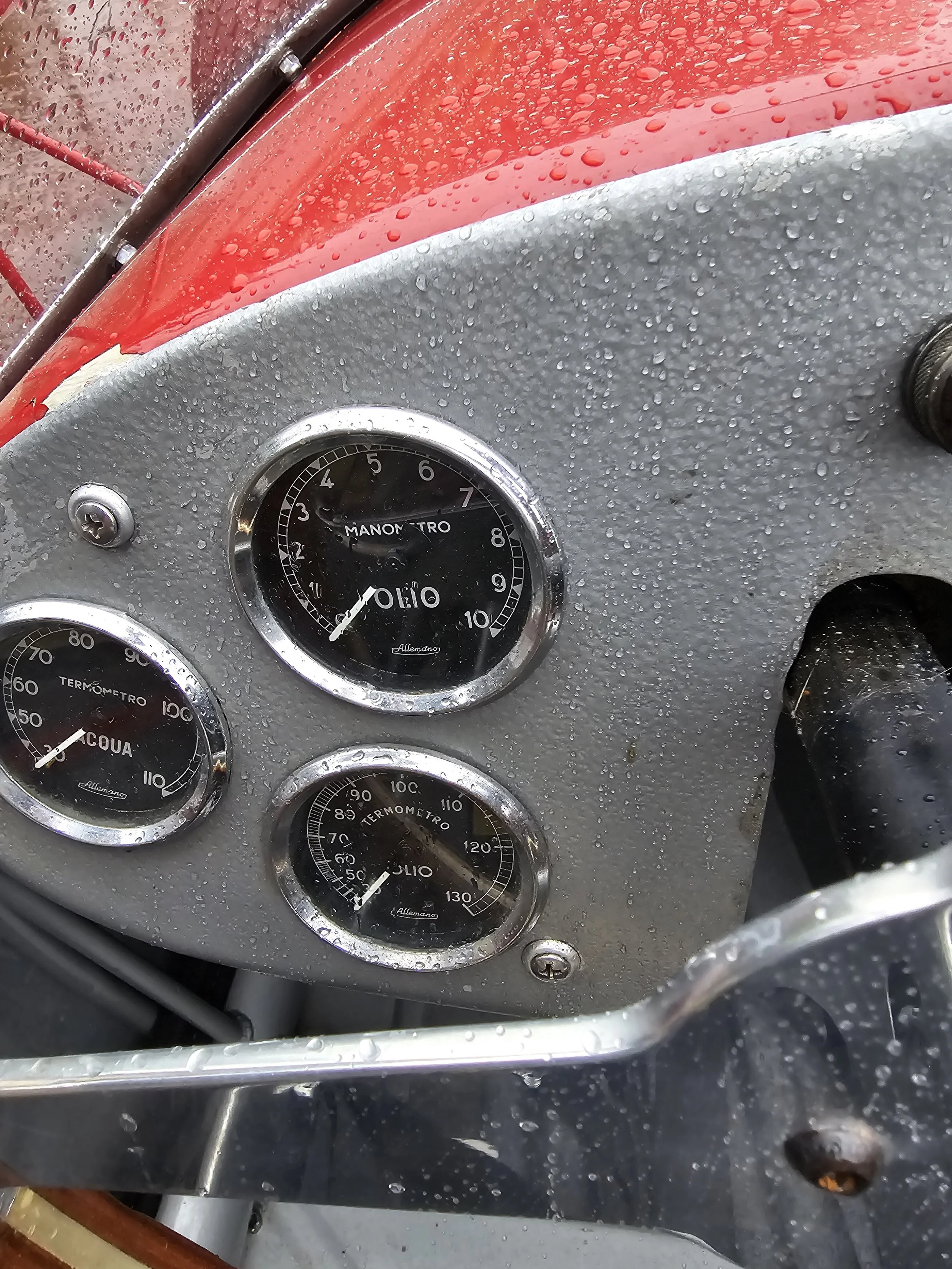 Image 14 of 37
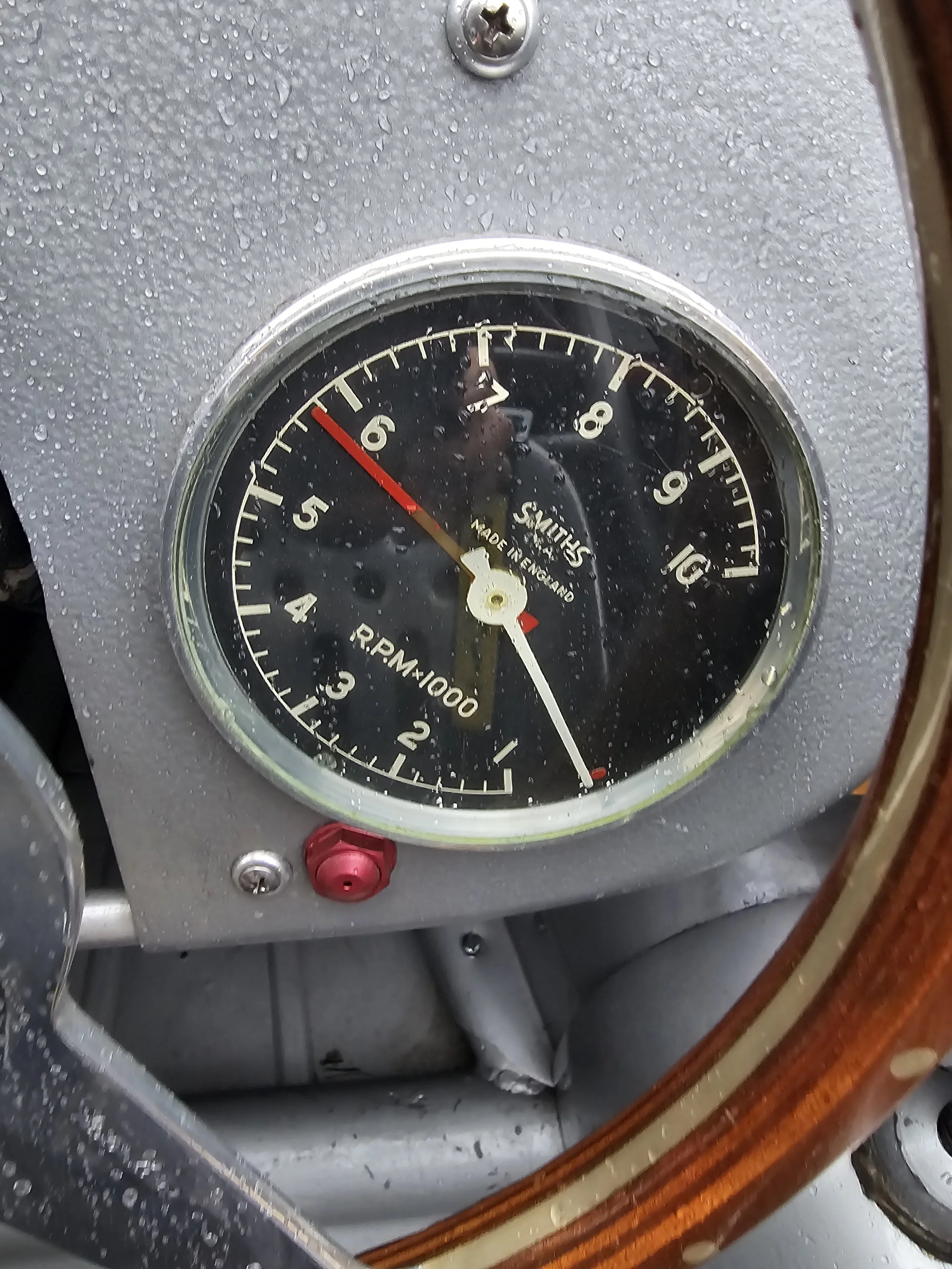 Image 15 of 37
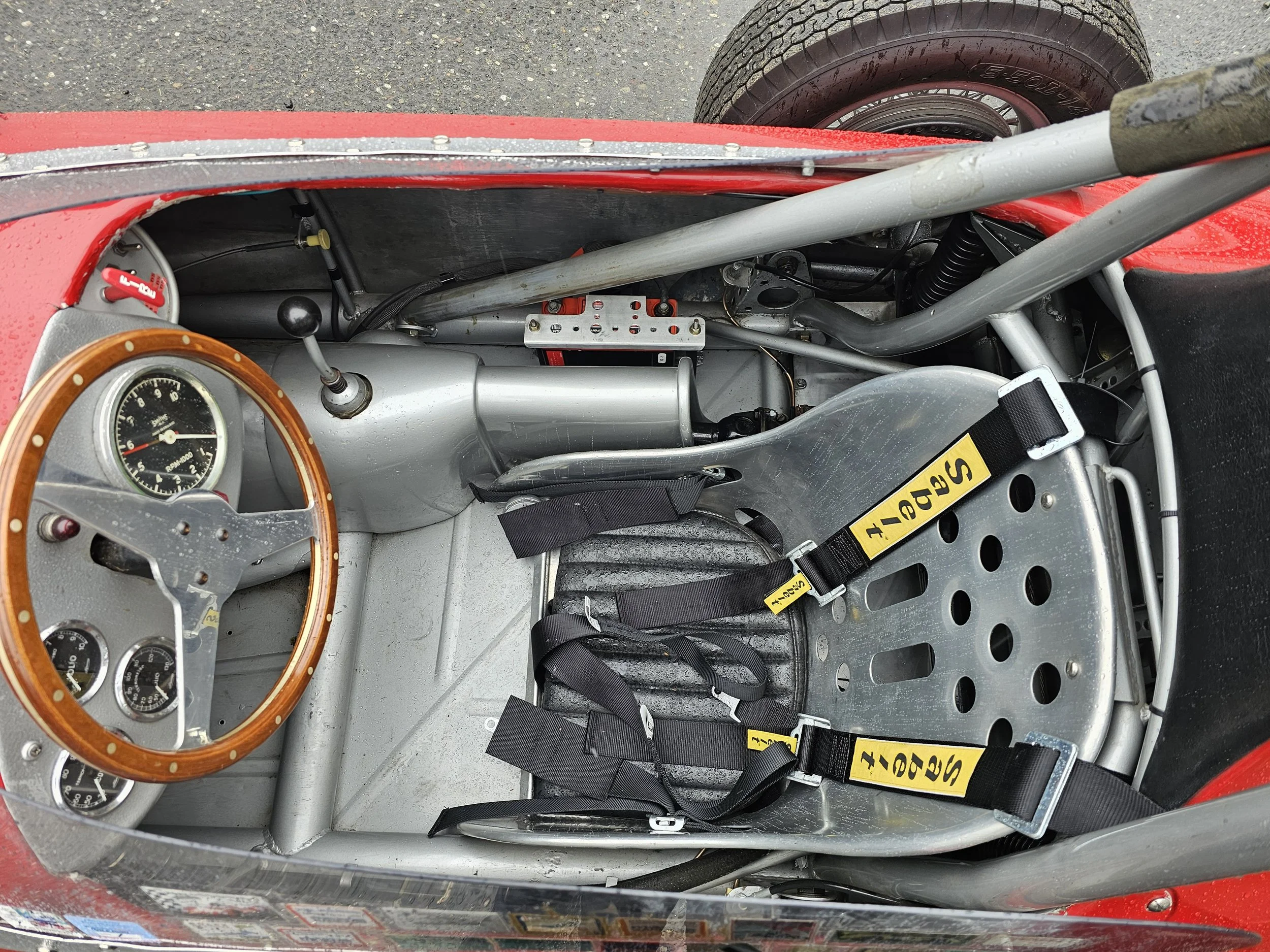 Image 16 of 37
 Image 17 of 37
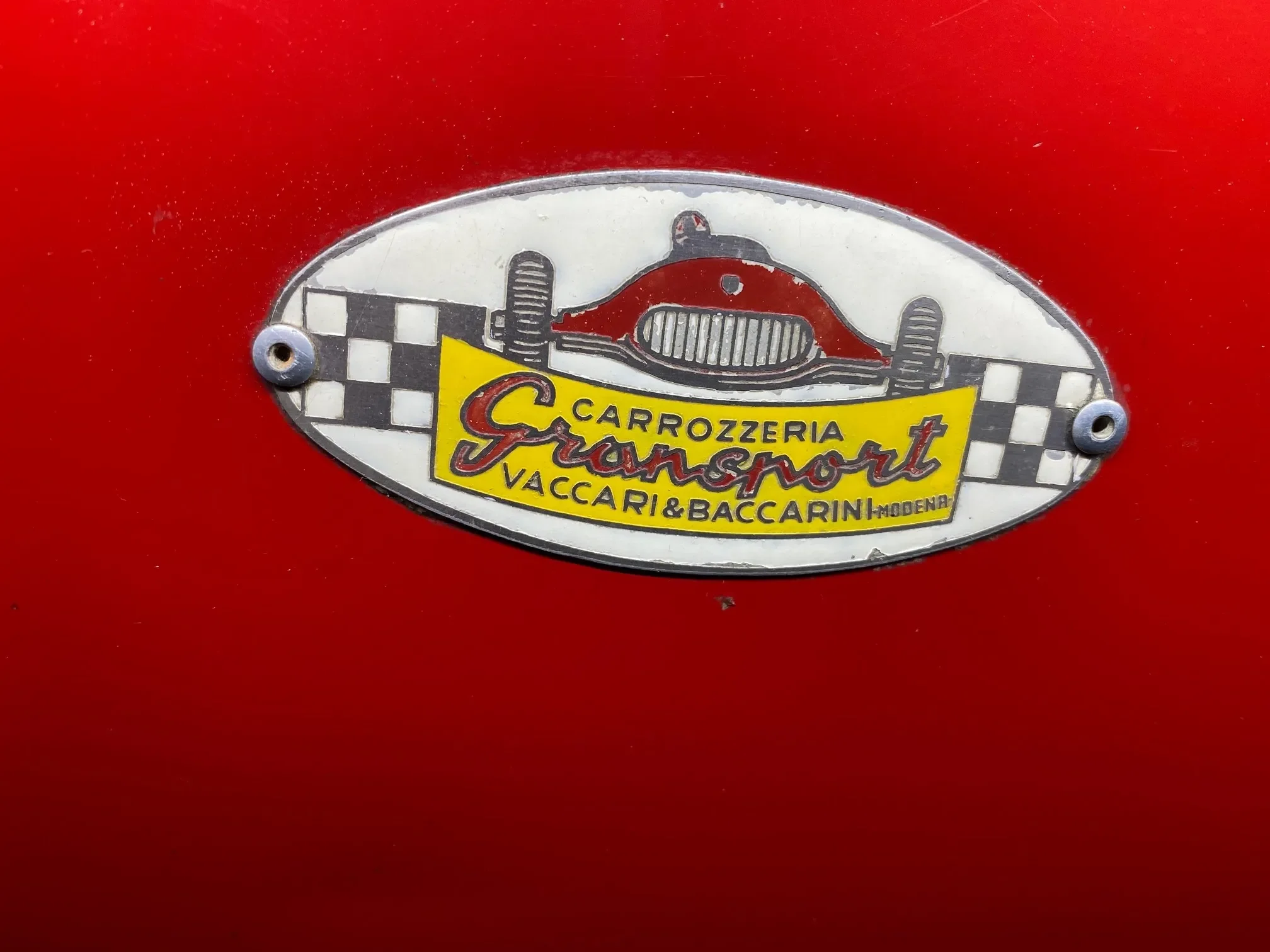 Image 18 of 37
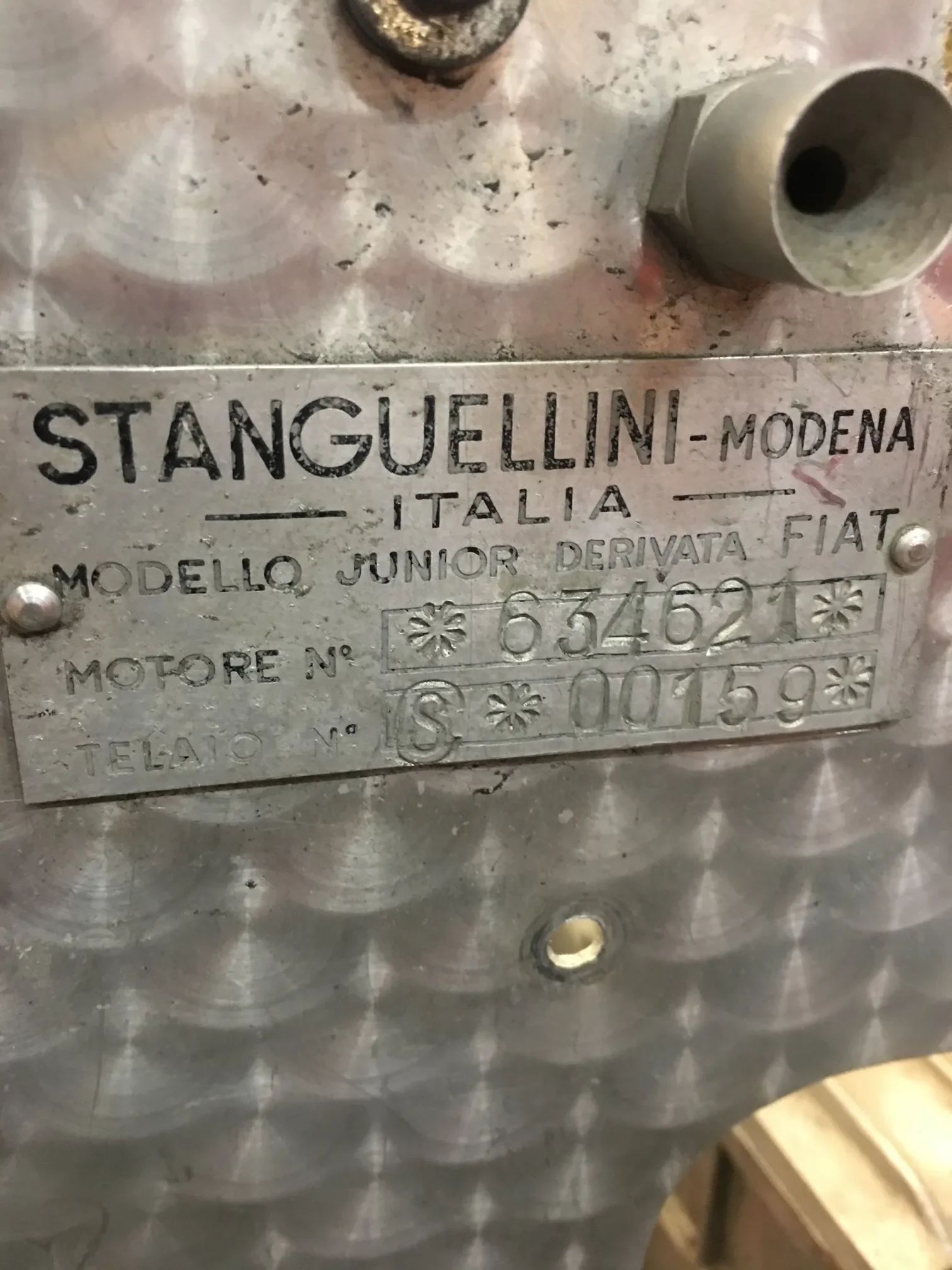 Image 19 of 37
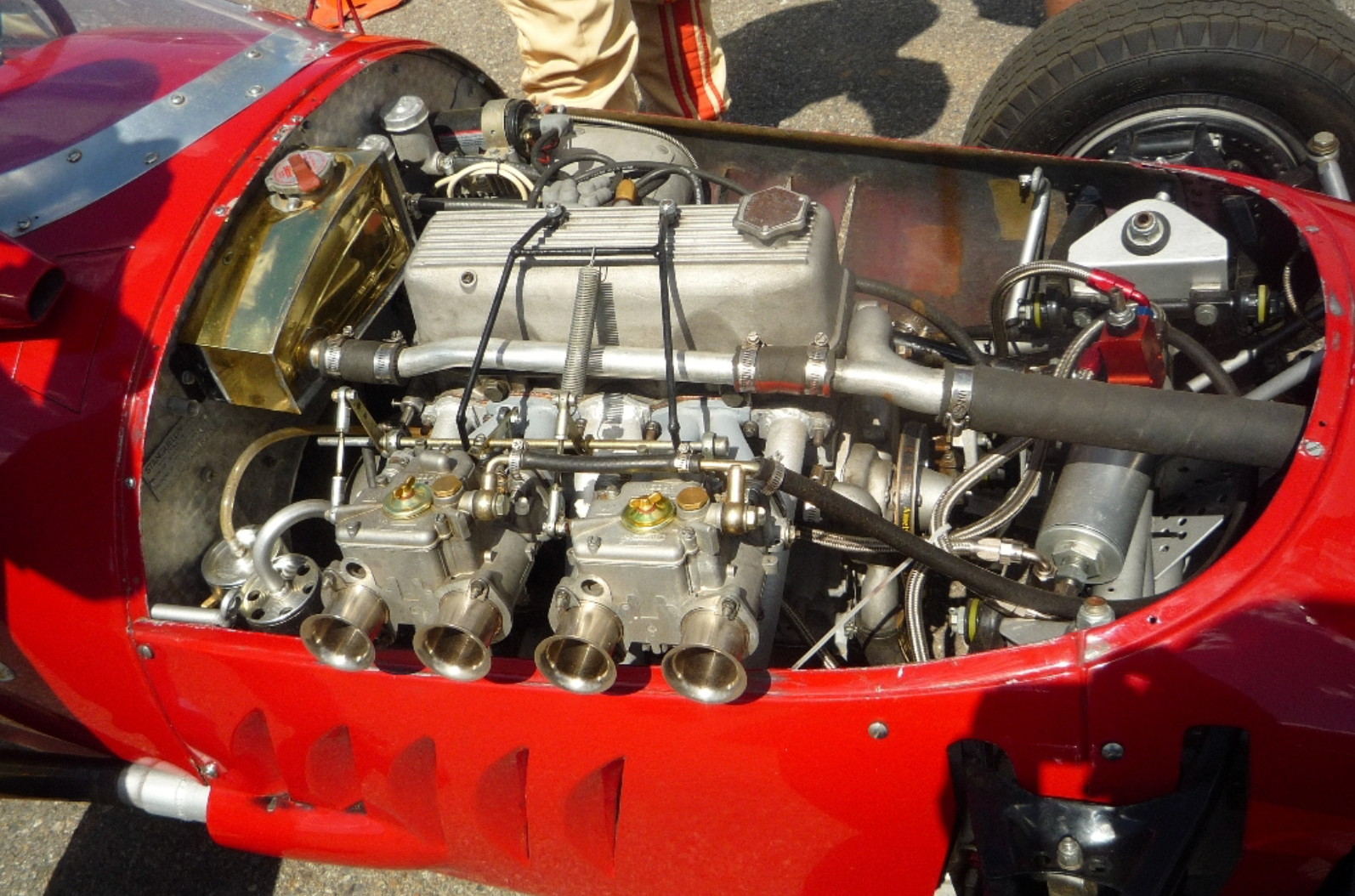 Image 20 of 37
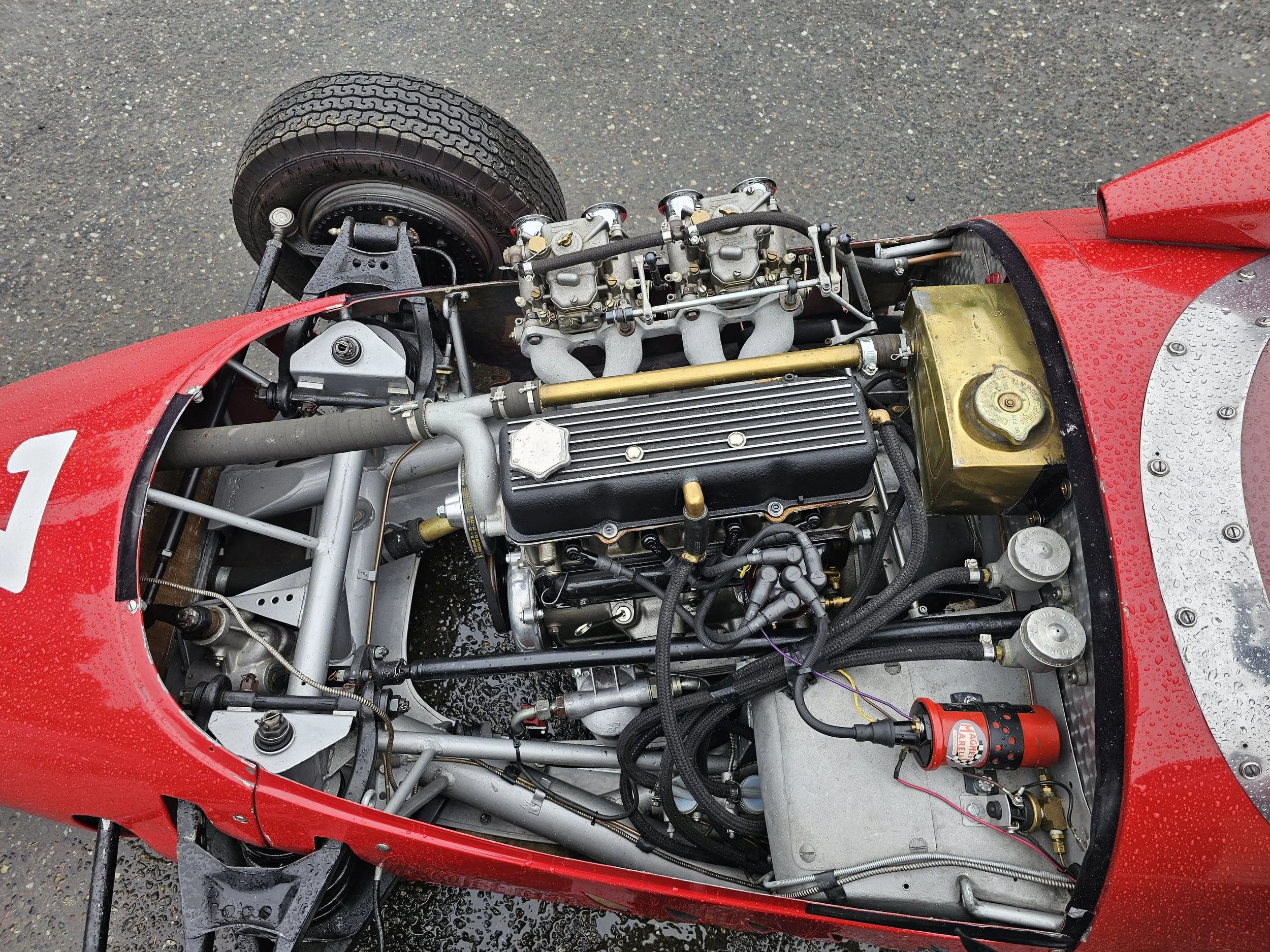 Image 21 of 37
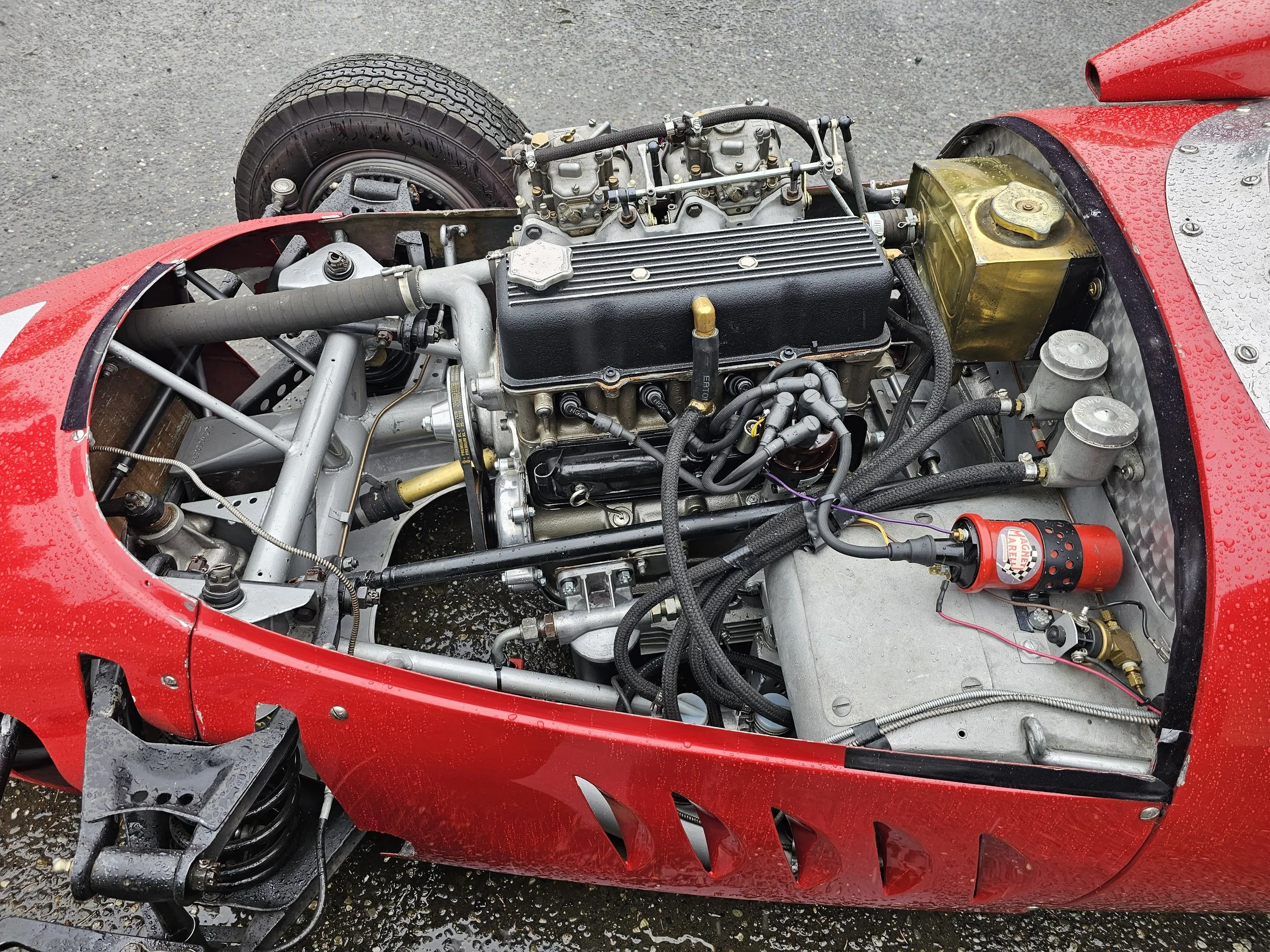 Image 22 of 37
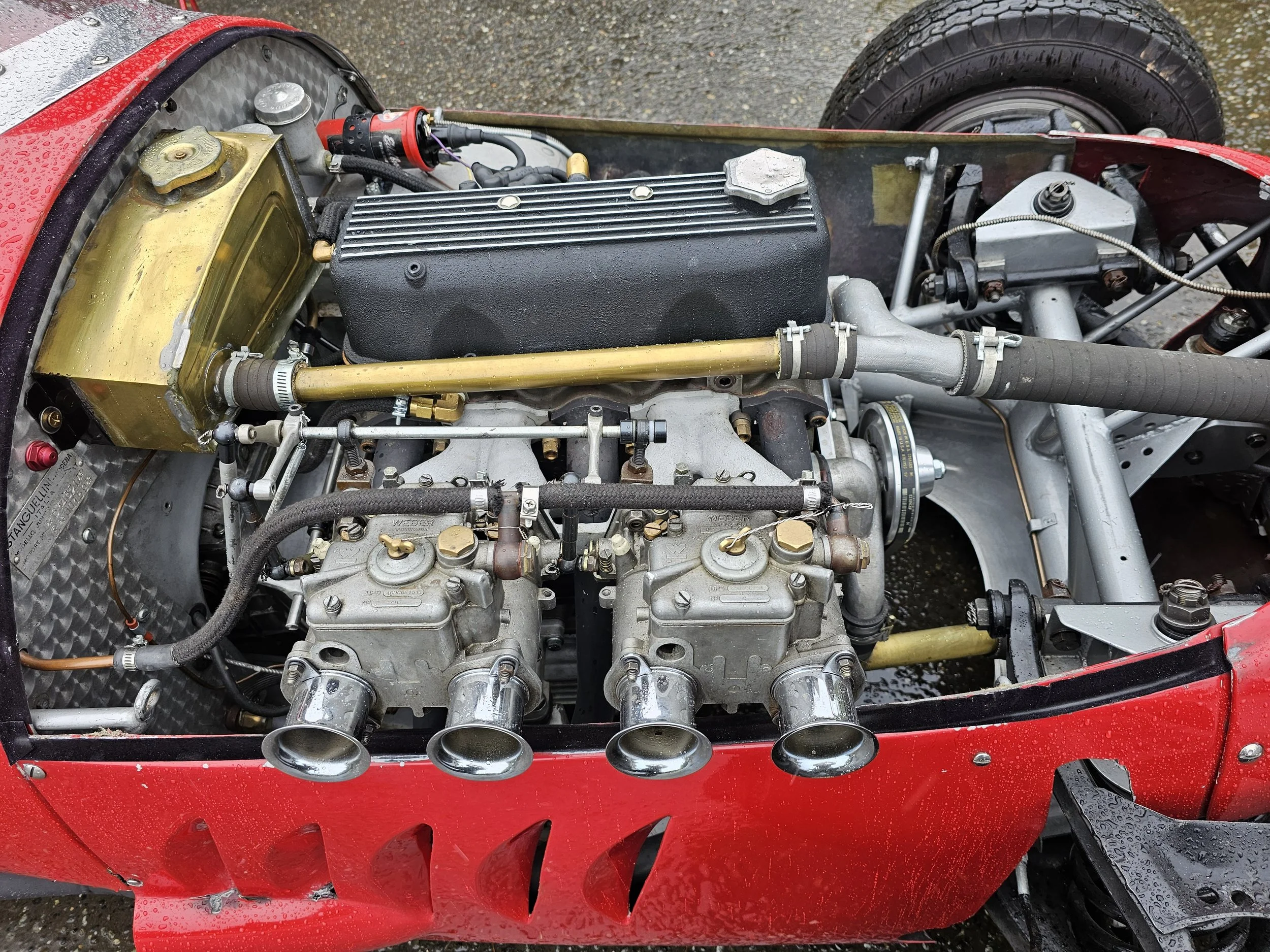 Image 23 of 37
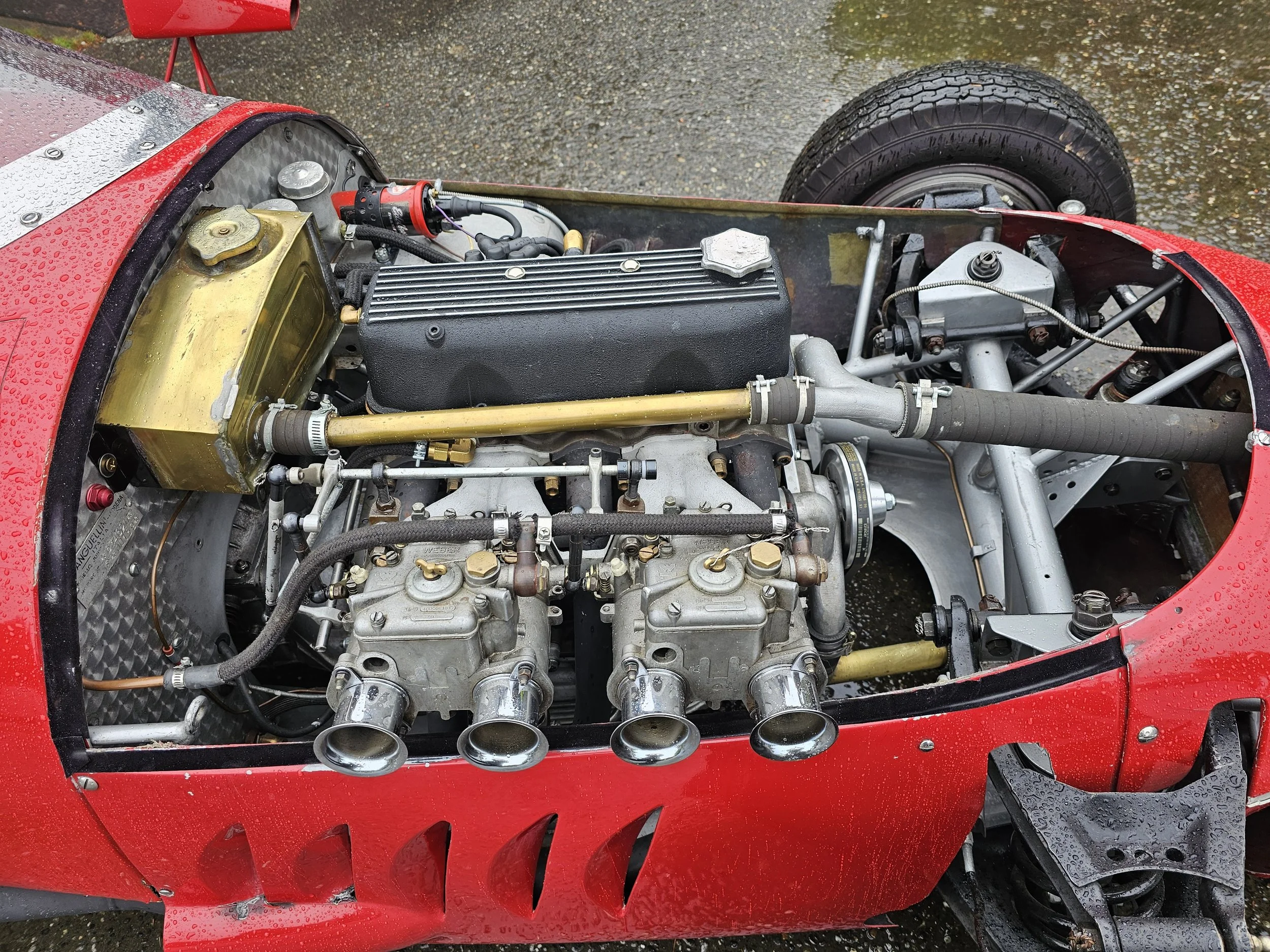 Image 24 of 37
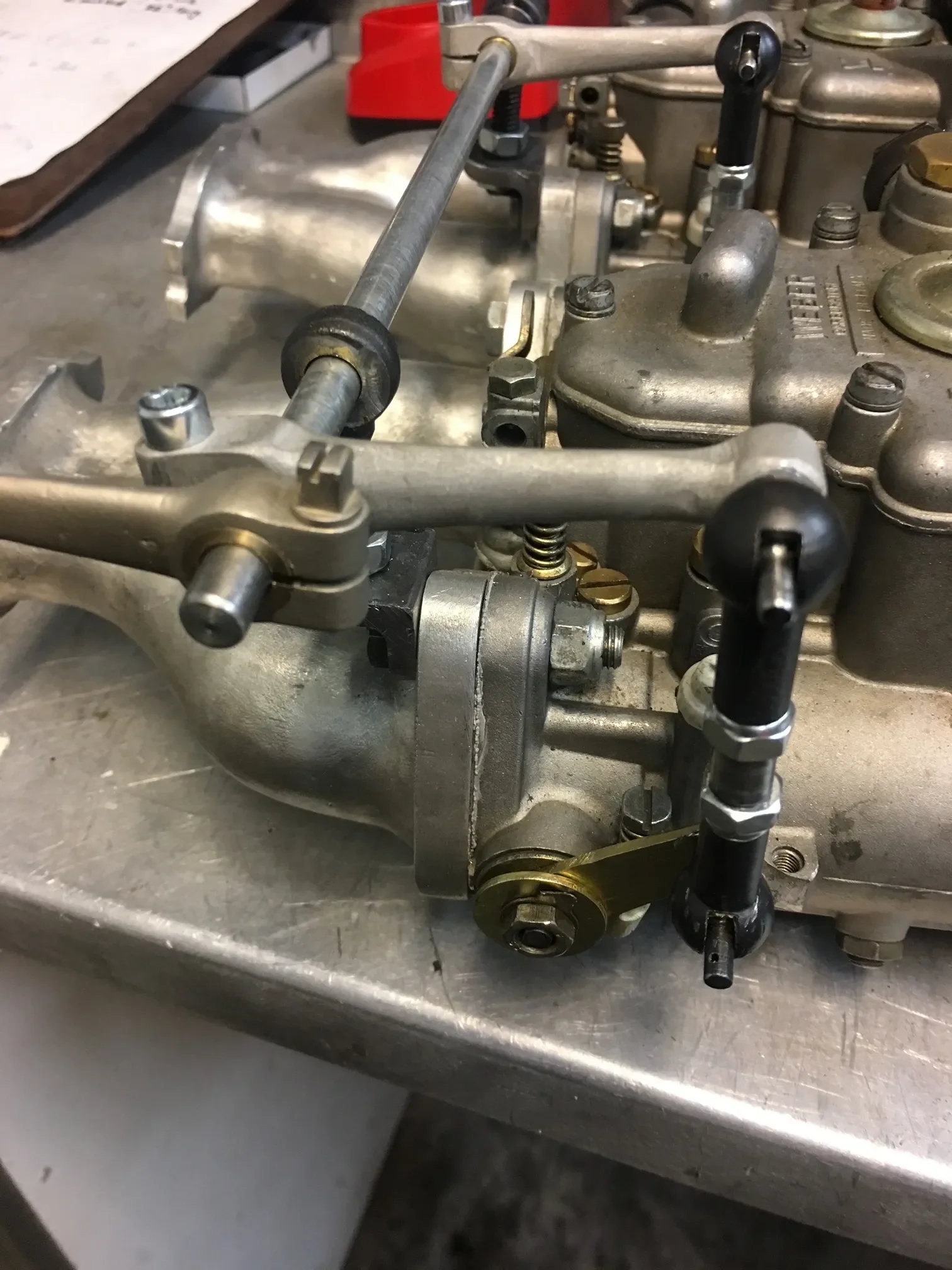 Image 25 of 37
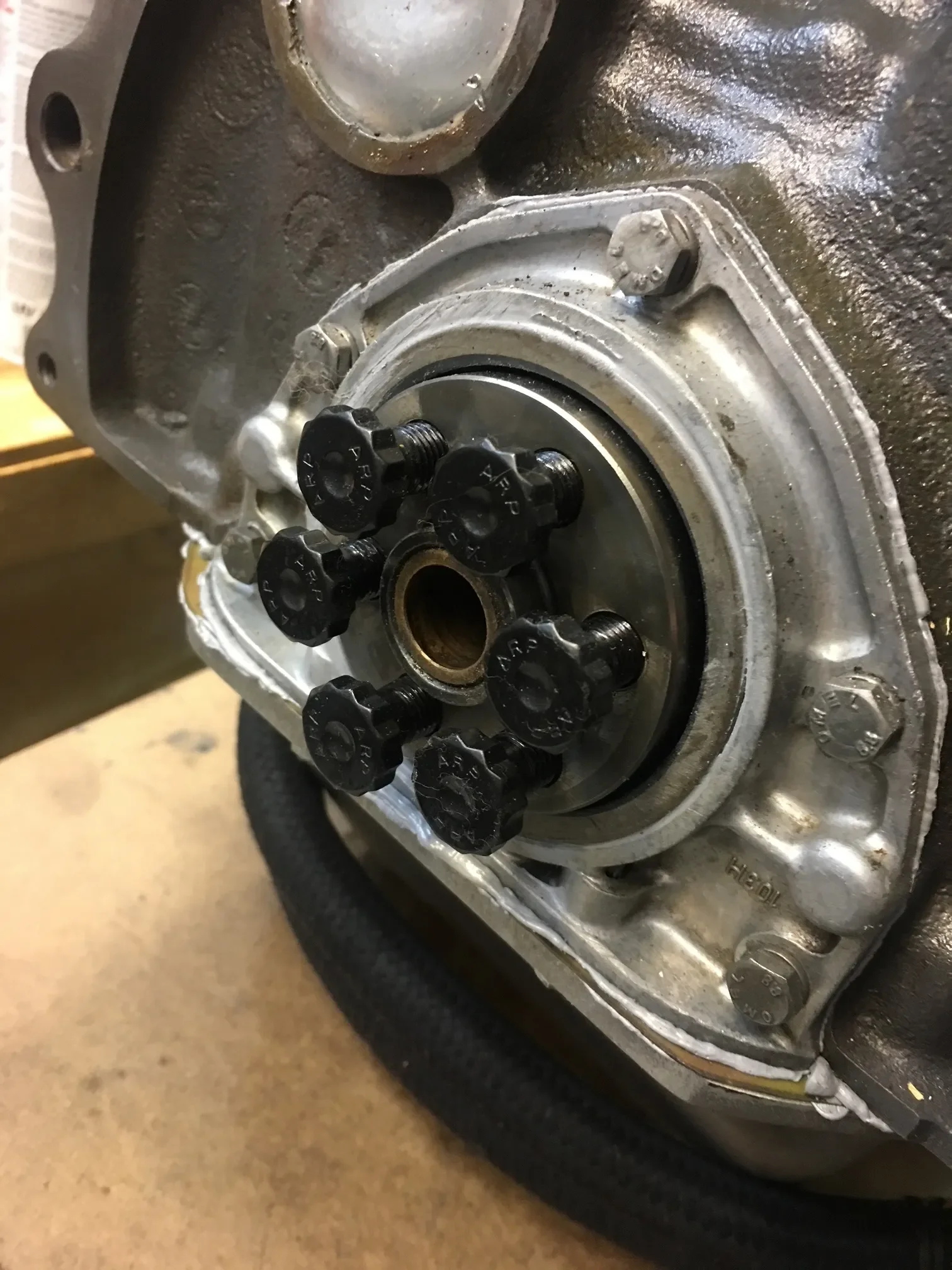 Image 26 of 37
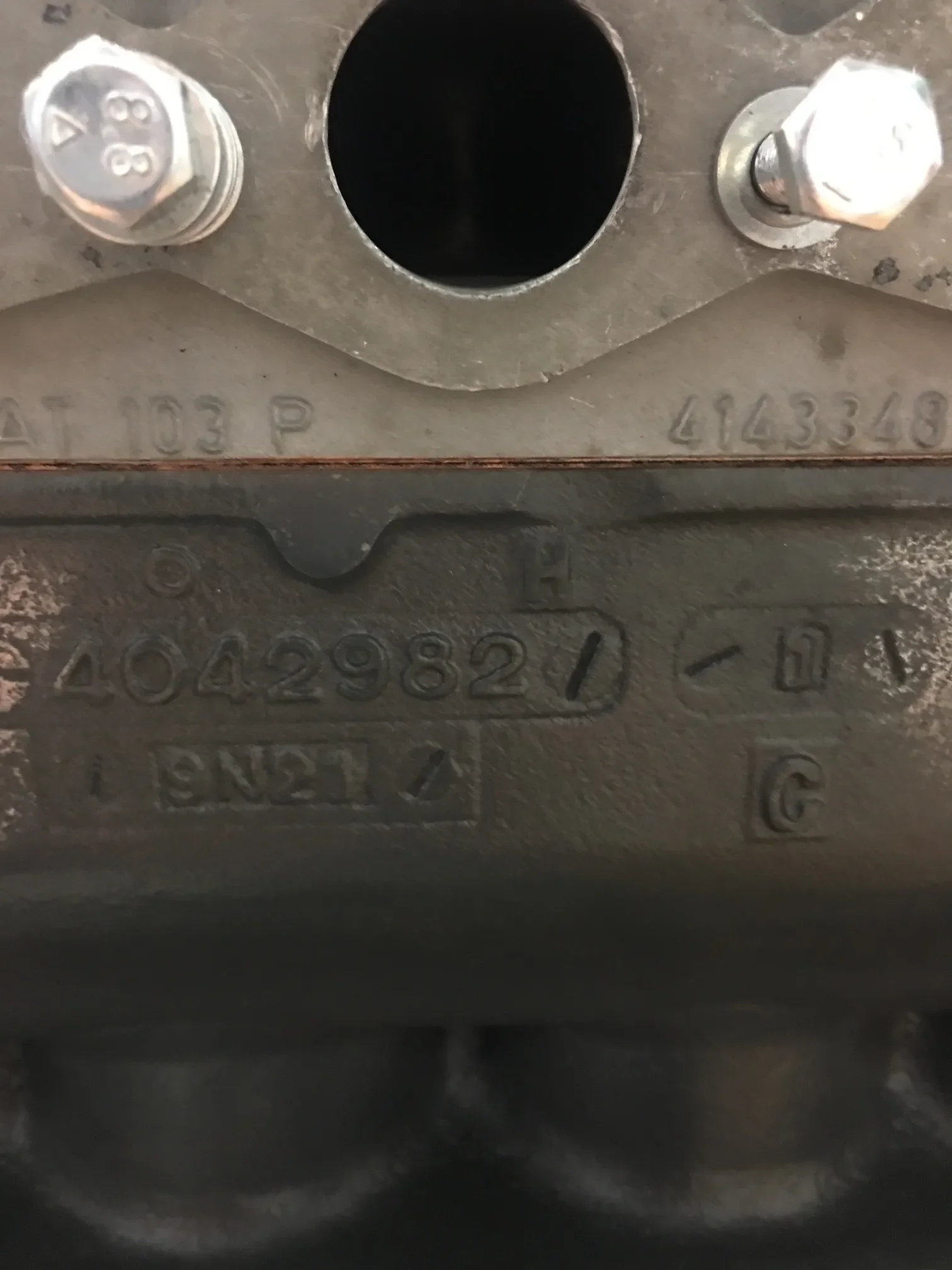 Image 27 of 37
 Image 28 of 37
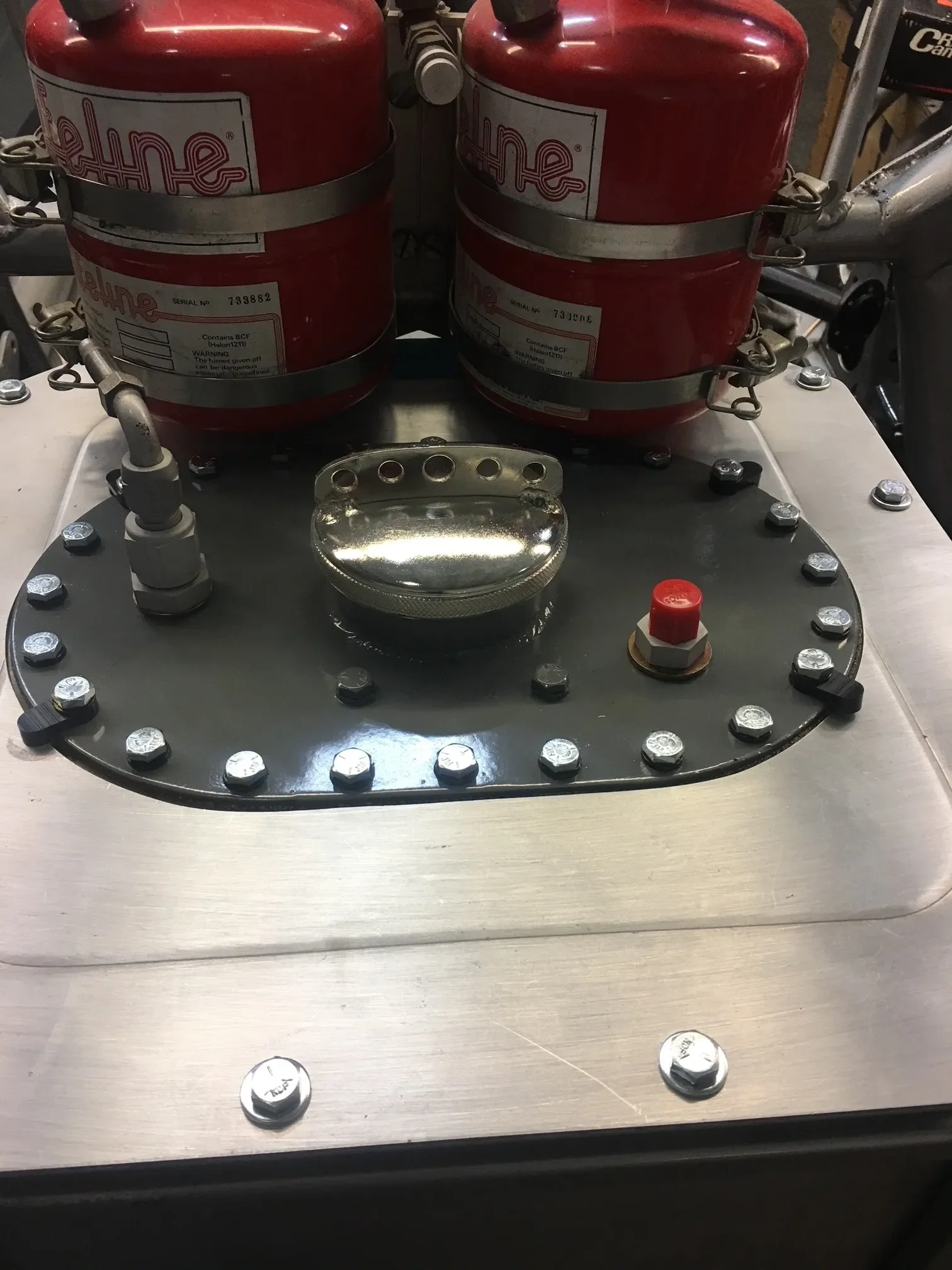 Image 29 of 37
 Image 30 of 37
 Image 31 of 37
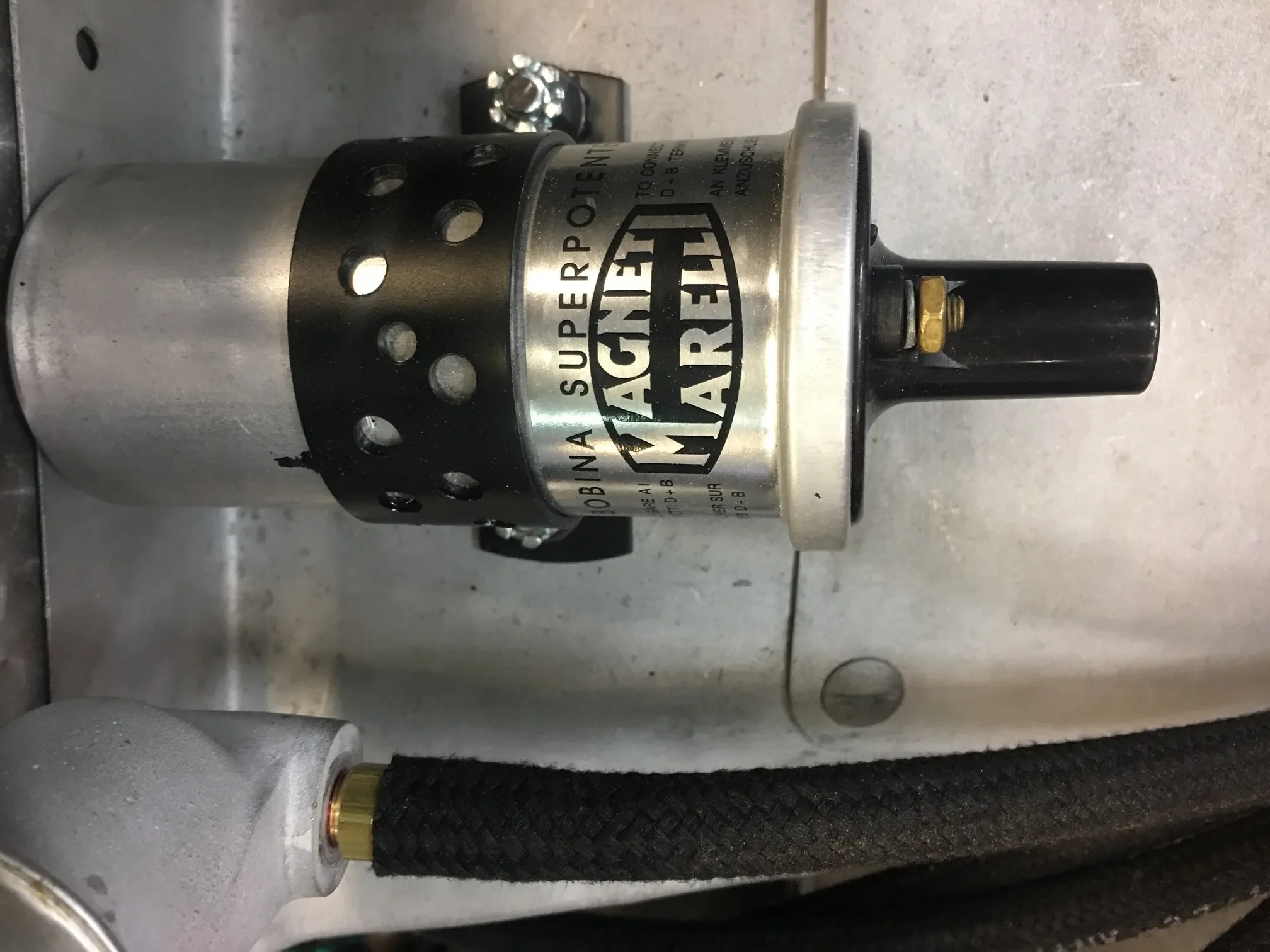 Image 32 of 37
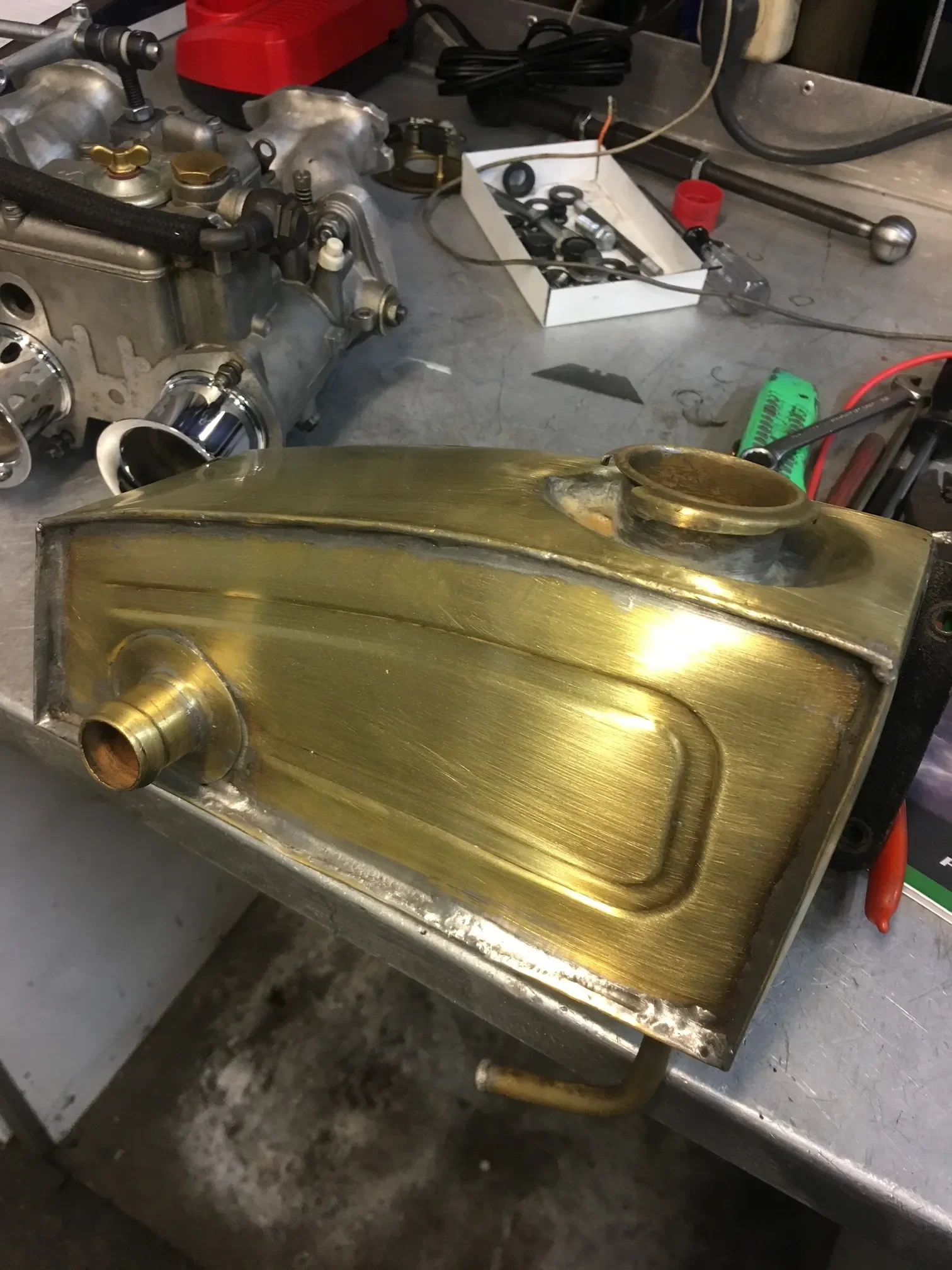 Image 33 of 37
 Image 34 of 37
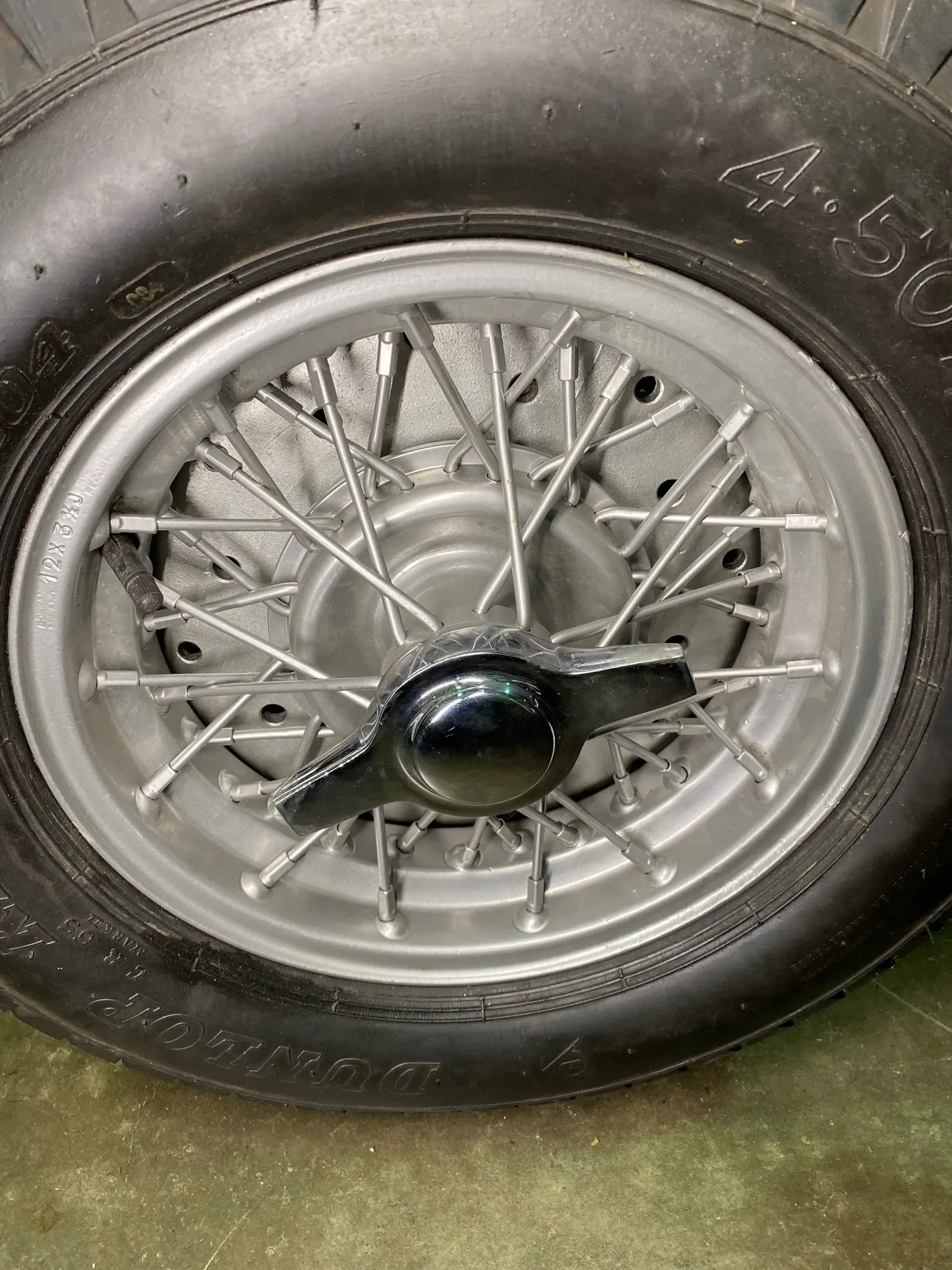 Image 35 of 37
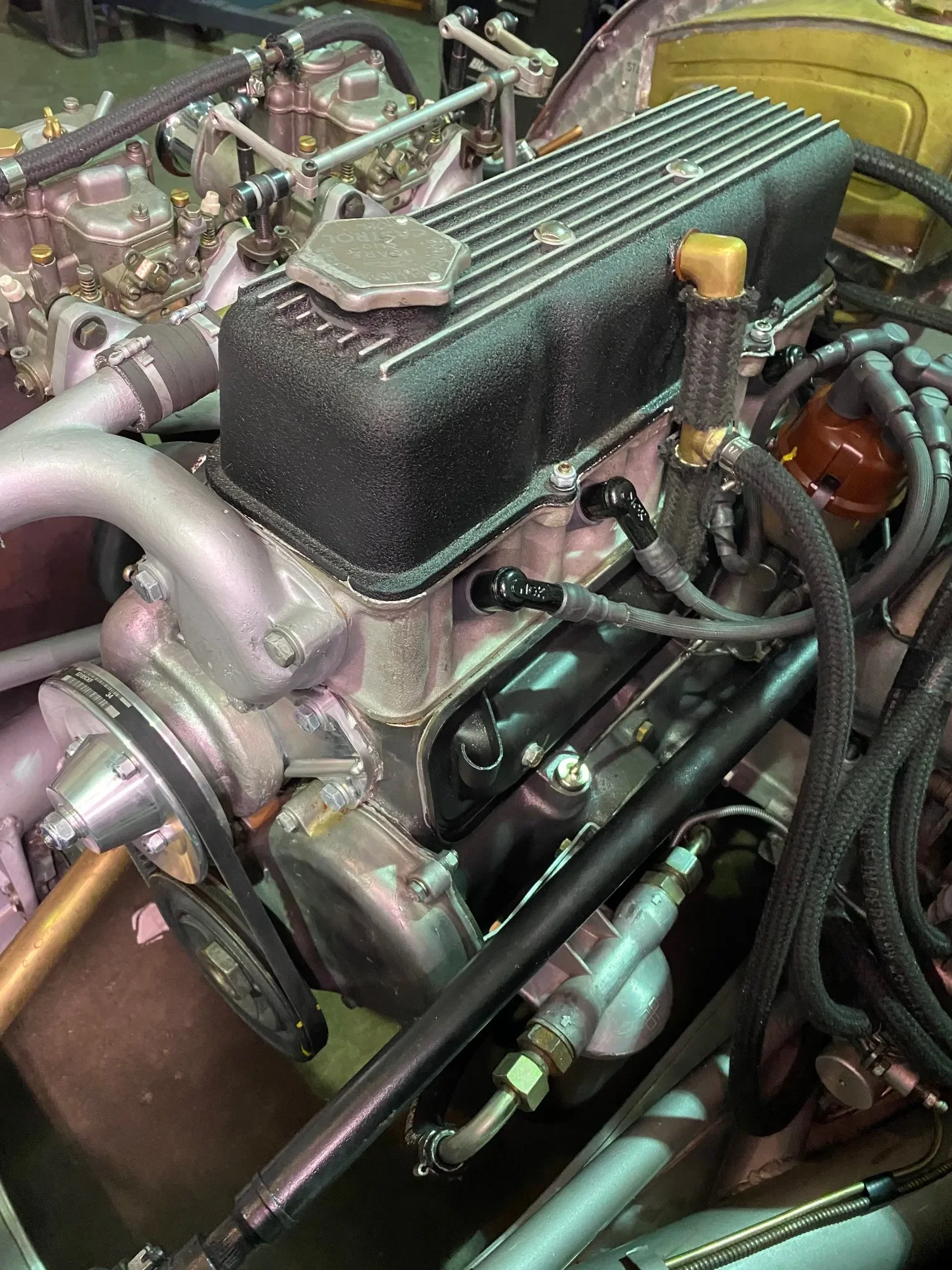 Image 36 of 37
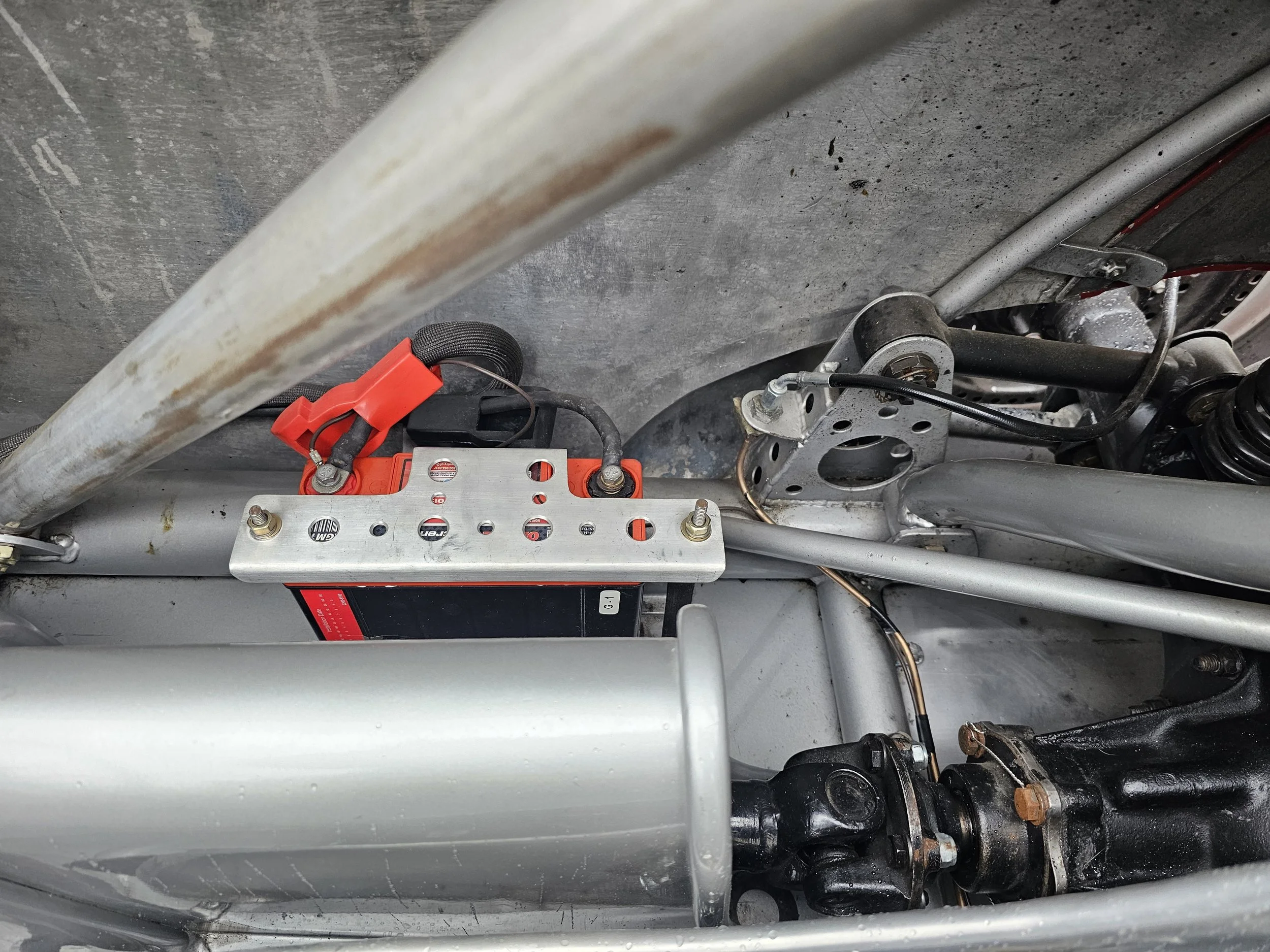 Image 37 of 37